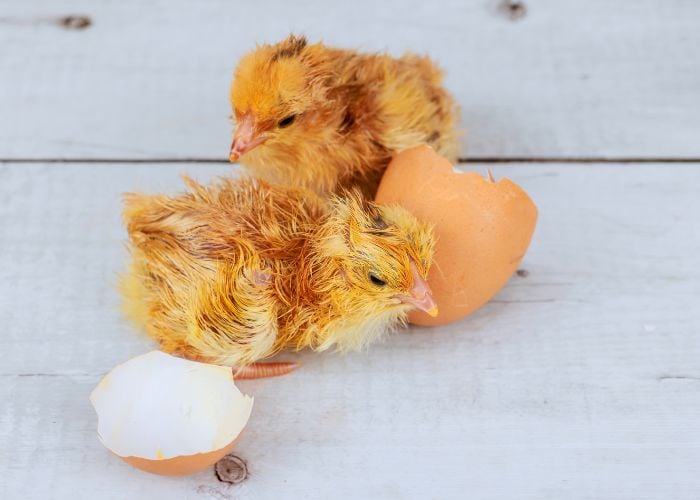
Raising baby chicks in spring is exciting.
Each week, they grow bigger, stronger, and more independent. But many new chicken owners wonder what to expect as chicks grow.
That is why this spring chick growth timeline guide is so helpful.
This guide will walk you through what happens from the first week of life until your chicks are ready to move outside.
Knowing what to expect helps you give the best care at every stage.
Spring Chick Growth Timeline: Week by Week
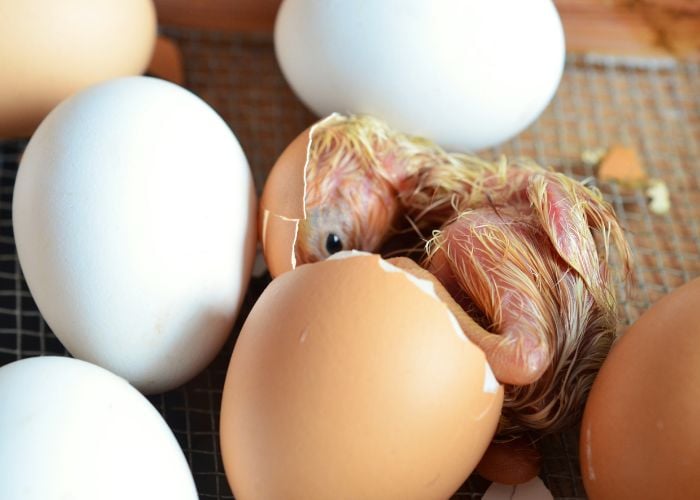
Week 1: Tiny and Fragile
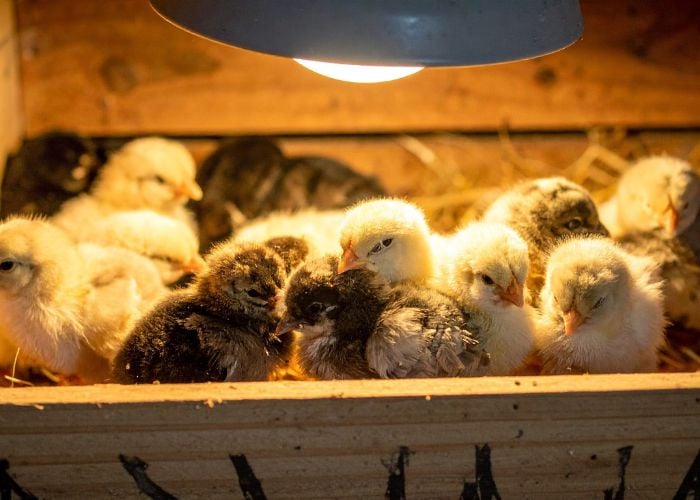
During the first week, chicks are very small and delicate. They rely completely on you for warmth, food, and water.
What to expect:
- Soft, fluffy down
- Loud peeping sounds
- Sleeping often
- Staying close to the heat
Care tips:
- Keep the brooder at 95°F
- Provide chick starter feed
- Offer clean, shallow water
- Check them several times a day
This is the most important stage in the spring chick growth timeline because proper warmth keeps chicks alive and healthy.
ALSO READ: How to Set Up a Brooder for Chicks in Spring

Week 2: More Active and Curious
By week two, chicks are stronger and more playful. They start exploring their brooder.
You may notice:
- Small wing feathers are growing
- Less constant sleeping
- More eating and drinking
- Gentle pecking behavior
Care tips:
- Lower brooder temperature to 90°F
- Add a little more space if needed
- Keep bedding clean and dry
This stage in the spring chick growth timeline shows the first signs of fast growth.
ALSO READ: How Long Do Chicks Need a Heat Lamp? A Simple Setup Guide

Week 3: Feathers Begin to Replace Fluff
Week three is when big changes happen. Down feathers slowly begin to disappear.
Changes you will see:
- Wing feathers filling in
- Longer legs
- Stronger movements
- Short fluttering attempts
Care tips:
- Reduce the heat to 85°F
- Continue high-protein starter feed
- Begin short supervised outdoor time on warm days
Spring weather can still be chilly, so always watch temperatures closely.
Week 4: Growing Fast and Gaining Confidence
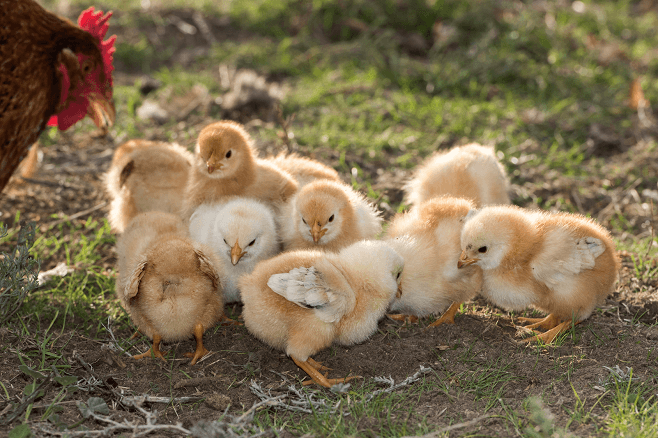
At four weeks, chicks look less like babies and more like small chickens.
You may notice:
- Chest feathers developing
- Less need for constant heat
- More independence
- Increased appetite
Care tips:
- Lower the heat to 80°F
- Introduce small perches
- Watch for pecking behavior
This stage in the spring chick growth timeline is when chicks begin to act like real chickens.
Week 5: Almost Fully Feathered
By week five, most chicks are well on their way to being fully feathered.
What changes:
- Most down is gone
- Clear breed markings visible
- Stronger flapping and jumping
Care tips:
- Reduce the heat to 75°F
- Start preparing the outdoor coop
- Keep the brooder clean
Chicks grow quickly during spring thanks to longer daylight hours.
Week 6: Ready for the Coop
At six weeks, many chicks are ready to move outside, depending on the weather.
Signs they are ready:
- Fully feathered
- Active and alert
- No longer relying on heat
Care tips:
- Move to the coop gradually
- Ensure safe and secure housing
- Continue starter or grower feed
This stage marks a big milestone in the spring chick growth timeline.
Weeks 7–8: Adjusting to Outdoor Life
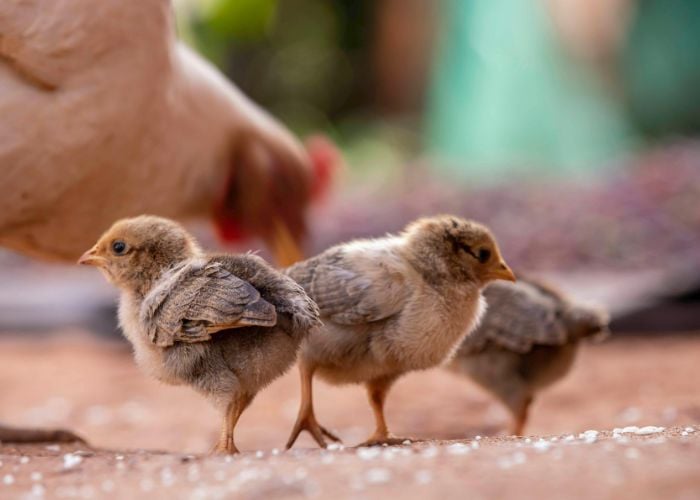
Chicks now act like young chickens, often called pullets or cockerels.
You may see:
- More pecking order behavior
- Stronger legs
- Increased curiosity
Care tips:
- Provide enough coop space
- Watch for bullying
- Transition to grower feed
This period in the spring chick growth timeline helps them build independence.
Weeks 9–12: Teen Chicken Stage
Chicks are now teenagers in chicken terms.
Expect:
- Rapid body growth
- More defined combs and wattles
- Louder vocal sounds
Care tips:
- Maintain a clean coop
- Monitor health
- Continue balanced feed
Spring chicks raised properly will grow steadily through this stage.

Months 4–5: Preparing to Lay Eggs
If you are raising pullets, egg laying may begin around 16–20 weeks.
Signs of approaching laying age:
- Bright red comb
- Squatting behavior
- Nest box interest
This final stage completes the spring chick growth timeline for most backyard flocks.
ALSO READ: Hatching Eggs: Everything You Need To Know
Growth Factors That Affect Development
Not all chicks grow at the same speed.
Growth depends on:
- Breed type
- Nutrition
- Temperature
- Space
- Health care
Providing proper care at every stage of the spring chick growth timeline ensures healthy development.
Common Growth Concerns
Sometimes growth may seem slow or uneven.
Watch for:
- Bald patches
- Limping
- Weakness
- Poor appetite
If you notice these signs, check the temperature, food quality, and space.
Why Spring Is a Great Time to Raise Chicks
Spring offers many benefits:
- Warmer temperatures
- Longer daylight
- Faster growth
- Easier outdoor transition
These factors make it easier to follow the spring chick growth timeline than in colder seasons.
Quick Weekly Temperature Chart
Here’s a simple guide:
- Week 1: 95°F
- Week 2: 90°F
- Week 3: 85°F
- Week 4: 80°F
- Week 5: 75°F
- Week 6: 70°F
Gradually lowering heat helps chicks adjust naturally.
Spring Chick Growth Timeline: Before You Go…
Raising chicks in spring is a fun and rewarding journey.
Watching them grow week by week teaches patience and responsibility.
This Spring Chick Growth Timeline: Week-by-Week Guide helps you understand what to expect and how to care for your chicks every step of the way.
With proper heat, good nutrition, and daily attention, your spring chicks will grow into healthy, happy chickens ready to lay eggs or join your flock.