When the snow starts falling and the wind howls outside, your chickens depend on you to keep them safe and warm.
Snowstorms can be harsh, especially for backyard flocks that aren’t used to freezing weather.
If you don’t take the right steps, your birds could get cold, wet, or even sick.
That’s why it’s so important to prepare your coop for a snowstorm before the first snowflake hits the ground.
A little work now can save you a lot of worry later, and your chickens will thank you with cozy clucks all winter long.
In this guide, we’ll walk you through everything you need to know to make your coop snowstorm-ready.
From insulation and ventilation to water and food supplies, you’ll be fully prepared to protect your flock from winter’s worst!
Why Preparing Your Coop For a Snowstorm is Important
Chickens are tough, but snowstorms bring challenges that can be dangerous.
Strong winds, freezing temperatures, and heavy snow can all affect their comfort and safety.
Here’s why it’s so important to prepare your coop for a snowstorm:
Cold Stress
When chickens get too cold, they stop laying eggs and can get frostbite.
Blocked Ventilation
Snow can cover vents, trapping moisture inside the coop.
Frozen Water
Without fresh water, chickens can quickly dehydrate.
Collapsed Roofs
Heavy snow can damage coops that aren’t strong enough.
Taking time to prepare means your flock can stay warm, dry, and healthy even during the coldest storms.

How to Prepare Your Coop for a Snowstorm
Step 1: Check the Coop’s Structure
Before the snow arrives, do a full inspection of your chicken coop. Look for any damage or weak spots that could cause problems later.
Things to check:
- Roof strength: Ensure it can withstand heavy snow without sagging.
- Leaks and cracks: Seal any gaps with weatherproof caulk or boards.
- Doors and windows: Ensure they close tightly to block out drafts.
- Foundation: Keep the coop slightly raised to prevent flooding from melting snow.
A strong, sturdy coop is your flock’s first defense against winter storms.
Step 2: Insulate the Coop for Warmth
Insulation helps trap heat inside and keeps the cold out.
Chickens generate their own warmth, so even a little insulation can make a big difference.
Here’s how to prepare your coop for a snowstorm with better insulation:
- Use straw or hay bales around the outside walls to block cold winds.
- Add foam boards or cardboard panels to the inside walls for extra warmth.
- Cover windows with clear plastic sheets to block drafts while still letting sunlight in.
- Deep litter method: Add thick layers of bedding (such as straw or pine shavings) to trap heat and moisture.
Avoid using heaters if possible! They can be a fire risk. Good insulation and dry bedding are usually enough!
ALSO READ: Best Tips for Insulating a Chicken Coop This Winter
Step 3: Keep Ventilation Balanced
You might think sealing every crack is best, but chickens still need airflow.
Moisture from their breath and droppings can cause frostbite if trapped inside.
When you prepare your coop for a snowstorm, make sure there’s proper ventilation:
- Keep small vents near the roof so moist air can escape.
- Point vents away from the wind to avoid direct drafts.
- Clear snow off vents regularly to keep them open.
A warm coop is good, but a dry, well-ventilated coop is even better.
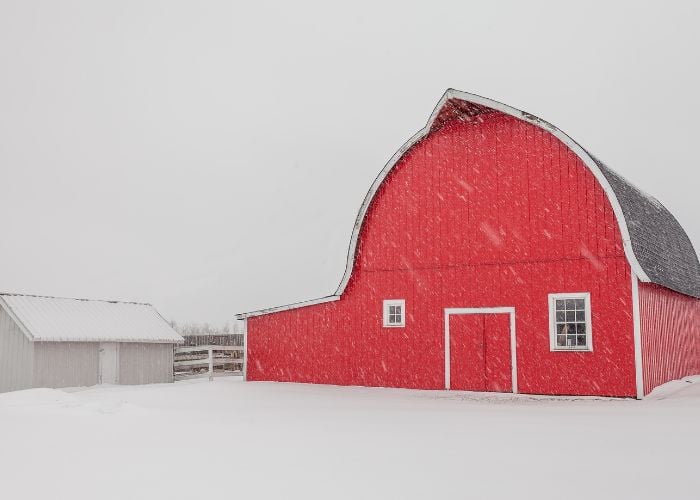
Step 4: Protect the Coop from Drafts
Cold drafts blowing directly on your chickens can make them miserable.
Here’s how to stop drafts without blocking ventilation:
- Hang old blankets or tarps over the coop’s north side (where the wind hits hardest).
- Use weatherstripping around doors and windows.
- Add rubber mats or wooden panels near perches to block drafts from the floor.
Your goal is to create a cozy shelter that is warm but not stuffy.
Step 5: Keep Water from Freezing
Water freezes quickly in cold weather, and chickens need access to fresh water at all times.
When you prepare your coop for a snowstorm, plan for this problem:
- Use heated waterers or add a water heater base.
- Bring waterers inside at night if temperatures drop too low.
- Keep spares ready so you can swap out frozen containers.
- Place water in sunny spots during the day to help keep it from freezing.
Hydration is just as important in the winter as it is in the summer!
ALSO READ: Heated Chicken Waterer: What’s Best for Your Flock?

Step 6: Make Sure They Have Enough Food
Snowstorms can last for days, making it hard to get to your coop. Always store extra food in advance.
Tips for feeding during storms:
- Keep at least one week’s supply of feed stored in airtight containers.
- Offer scratch grains in the evening to help chickens stay warm overnight.
- Hang feeders or place them on platforms to keep feed dry.
- Add protein-rich treats, such as mealworms or scrambled eggs, for energy.
When you prepare your coop for a snowstorm, make sure your chickens have enough fuel to stay warm and active.
Step 7: Plan for Lighting and Egg Production
Short winter days mean fewer eggs, but a little light can help!
To keep your flock laying:
- Add a timer-controlled light to extend daylight hours to 14 hours per day.
- Use low-wattage bulbs to avoid overheating or fire risks.
- Keep the light source protected from snow and moisture.
Even during storms, this helps your hens stay comfortable and productive.
ALSO READ: Should I Get A Chicken Coop Light For Winter?
Step 8: Secure Outdoor Runs and Fencing
If your chickens have access to an outdoor run, you’ll need to prepare it too.
Here’s how to protect it from snow and wind:
- Cover the top with a tarp or plastic sheet to block falling snow.
- Add straw on the ground so chickens don’t have to walk on ice.
- Secure fencing with extra posts or braces to prevent collapse.
- Make sure they always have easy access back into the coop.
A protected outdoor area gives your chickens space to stretch, even during bad weather.

Step 9: Keep the Coop Clean and Dry
Wet bedding and droppings can quickly lead to illness in cold weather.
Moisture is your biggest enemy when it’s freezing outside.
To prepare your coop for a snowstorm, follow these cleaning habits:
- Scoop wet spots daily and replace them with dry bedding.
- Add fresh straw or pine shavings regularly.
- Use absorbent materials like sand or dry leaves.
- Check corners and nesting boxes for dampness.
A dry coop = healthy chickens all winter long.
Step 10: Be Ready for Power Outages
Sometimes, snowstorms knock out power, affecting lights, heaters, and automatic waterers.
Be prepared by keeping:
- Battery-powered lights or flashlights are handy.
- Manual water containers for backup.
- Extra blankets or tarps for emergency insulation.
- A shovel and ice melt to clear paths to the coop.
When you prepare your coop for a snowstorm, plan for the worst so your flock stays safe no matter what happens.
Bonus Tip: Keep Your Chickens Calm
Storms can be stressful for your flock. Loud winds and sudden changes can make them nervous.
Here’s how to help them feel safe:
- Spend a few minutes talking softly to them.
- Keep routines the same (feed them at regular times).
- Play calming sounds or gentle music if you have power.
- Avoid sudden movements or loud noises.
A calm chicken is a healthy chicken!
Winter Emergency Kit for Chicken Keepers
Here’s a checklist of items to keep on hand during storm season:
- Extra feed and grit
- Heated or spare waterers
- Flashlights and batteries
- First aid kit
- Extra bedding and straw
- Duct tape, nails, and a hammer for repairs
- Tarp and rope for wind protection
Having these ready makes it easier to prepare your coop for a snowstorm at a moment’s notice.
Prepare Your Coop For a Snowstorm: Before You Go…
Snowstorms can be tough, but with planning and care, your flock can stay safe, warm, and happy.
When you prepare your coop for a snowstorm, you’re giving your chickens the best chance to stay healthy through winter.
Check your coop before each big storm, keep supplies stocked, and pay attention to your birds’ behavior.
If they look cozy and content, you’ll know you did everything right.
With the right care, your chickens will keep clucking proudly…even when the world outside is covered in snow!
RELATED READS:
- Best Tips for Insulating a Chicken Coop This Winter
- How To Prevent Frostbite During Winter?
- Should I Get A Chicken Coop Light For Winter?
INTERESTED?