Winter can be hard on backyard chickens, especially when it comes to staying warm and dry.
One of the most important choices you can make during cold months is picking the right bedding for your coop.
Good bedding helps keep chickens cozy, controls moisture, and prevents health problems.
This guide will walk you through the best winter bedding options for chickens, how to use them, and what to avoid so your flock stays happy all winter long.
Winter Bedding Options: Why Bedding Matters More in Winter
During winter, chickens spend more time inside the coop. That means bedding gets dirty faster and must work harder to keep moisture away.
Good winter bedding helps by:
- Keeping chickens warm
- Absorbing moisture
- Reducing odors
- Preventing frostbite
- Protecting chicken feet
Choosing the right winter bedding options for chickens can make a big difference in their comfort and health.
What Makes Good Winter Bedding
Not all bedding is good for cold weather. Some types trap moisture or grow mold, which can cause problems.
Good winter bedding should:
- Stay dry
- Be soft and fluffy
- Absorb moisture well
- Be easy to clean
- Be safe if chickens peck at it
These features help prevent common winter chicken health issues.
6 Best Winter Bedding Options
Pine Shavings: A Popular Choice
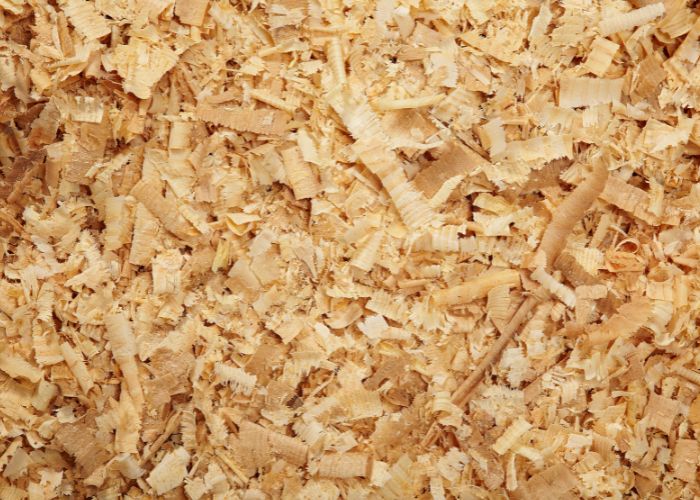
Pine shavings are one of the most common winter bedding options for chickens.
Benefits of pine shavings
- Soft and comfortable
- Absorb moisture well
- Smell fresh
- Easy to find
Things to remember
- Use large flakes, not fine dust
- Change or stir often
- Avoid cedar shavings
Pine shavings work well for both small and large coops.
Straw: Warm but Needs Care
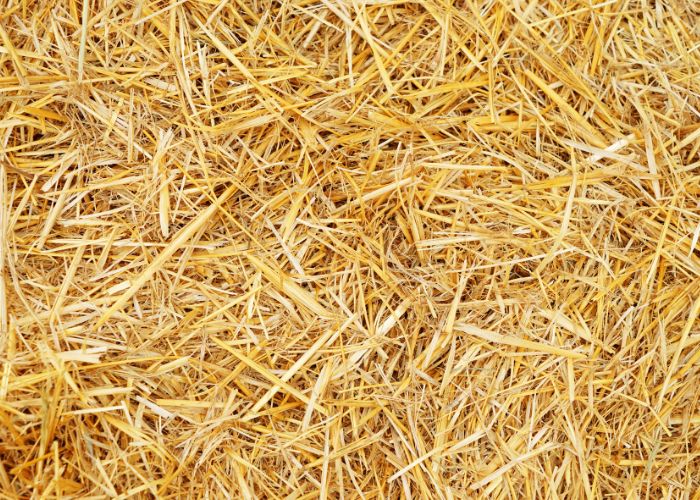
Straw is often used in winter because it looks warm and cozy.
Pros of straw
- Good insulation
- Cheap in many areas
- Easy to spread
Cons of straw
- Holds moisture
- Can grow mold
- Needs frequent changing
Straw can work, but it must remain dry to be a safe winter bedding option for chickens.

Hay: Not the Same as Straw
Many people confuse hay with straw, but they are different.
Why hay is not ideal
- Holds moisture
- Gets moldy quickly
- Can cause breathing issues
Hay is best used for feeding animals, not as winter bedding.

Sand: Better for Warm Climates
Sand is sometimes used in chicken coops, but winter is not the best time for it.
Problems with sand in winter:
- Gets cold quickly
- Does not insulate
- Can freeze solid
Sand is not recommended as a primary winter bedding option for chickens in cold climates.
ALSO READ: Sand In Your Chicken Coop-Should You Use It?
Hemp Bedding: A Natural Option
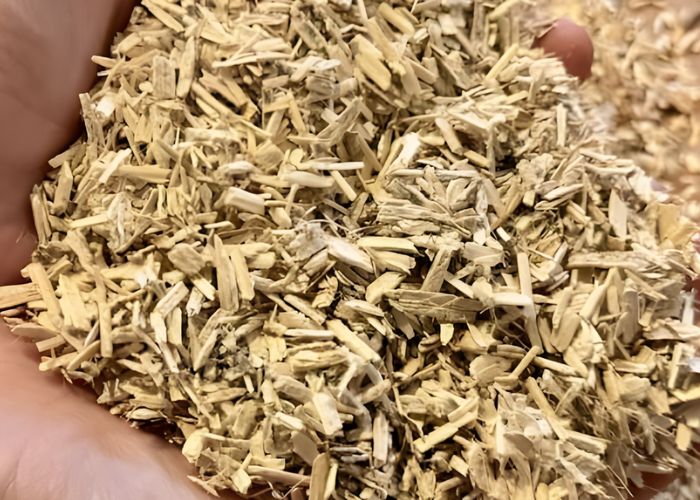
Hemp bedding is becoming more popular among chicken keepers.
Benefits of hemp bedding:
- Very absorbent
- Low dust
- Breaks down naturally
- Long-lasting
Downsides:
- More expensive
- Harder to find
Hemp is a great, eco-friendly choice if available.

Shredded Paper: Use With Caution
Shredded paper can be used in emergencies, but it is not ideal.
Issues with paper bedding:
- Gets wet fast
- Mats together
- Slippery for chickens
Paper can be mixed with other bedding, but should not be used alone in winter.
Deep Litter Method for Winter
The deep litter method is one of the best ways to manage winter bedding options for chickens.
How it works:
- Add fresh bedding on top of old bedding
- Let bedding compost naturally
- Generates heat over time
Benefits:
- Keeps coop warmer
- Reduces cleaning
- Controls odors
This method works best with pine shavings or hemp bedding.
ALSO READ: What Is The Deep Litter Method?
How Often to Change Winter Bedding
Winter bedding does not require daily changing, but it does require regular checks.
Change or refresh bedding when:
- It smells bad
- It feels damp
- Chickens get dirty feet
- Mold appears
Dry bedding is key to healthy winter chickens.
Bedding and Frostbite Prevention
Wet bedding increases the risk of frostbite.
Dry bedding helps:
- Keep moisture low
- Protect combs and toes
- Reduce cold stress
Using proper winter bedding options for chickens is one of the easiest ways to prevent frostbite.
ALSO READ: How To Prevent Frostbite During Winter?
Bedding for Nesting Boxes in Winter
Nesting boxes need extra care during winter.
Best nesting box bedding:
- Clean straw
- Soft pine shavings
Tips:
- Change often
- Keep eggs clean
- Remove wet bedding fast
Clean nesting boxes help prevent broken eggs and illness.
ALSO READ: Chicken Nesting Boxes 101 and 13 Best DIY Plans
Common Bedding Mistakes to Avoid
Even good bedding can cause problems if used incorrectly.
Avoid these mistakes:
- Using damp bedding
- Ignoring smells
- Overcrowding the coop
- Using cedar shavings
Mistakes like these can undo the benefits of good winter bedding options for chickens.
How Much Bedding to Use: Recommended Depth
More bedding is better in winter.
- 4–6 inches for normal use
- 8–12 inches for the deep litter method
Thicker bedding adds warmth and comfort.
Cleaning Tips for Cold Weather
Winter cleaning should be gentle and simple.
- Remove wet spots daily
- Add fresh bedding often
- Avoid full clean-outs during freezing weather
This keeps chickens warm while maintaining cleanliness.
Winter Bedding Options for Chickens: Before You Go…
Choosing the right winter bedding options for chickens is one of the best ways to protect your flock during cold months.
Dry, clean, and fluffy bedding keeps chickens warm, healthy, and comfortable all winter long.
Whether you choose pine shavings, hemp, straw, or the deep litter method, regular checks and proper care make all the difference.
A cozy coop means happier chickens…and a happier chicken keeper.
RELATED READS:
- Common Winter Chicken Health Problems to Look Out For
- How To Keep Chickens Warm In The Winter
- Should I Get A Chicken Coop Light For Winter?
INTERESTED?