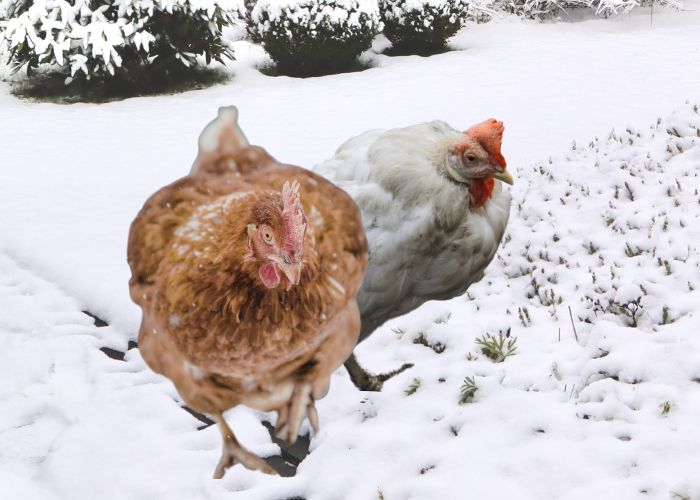
Winter can be tough on backyard chickens.
Cold air, snow, and fewer daylight hours can all affect your flock’s health.
Chickens are hardy animals, but winter brings special challenges that every chicken keeper should understand.
This guide explains:
- the most common winter chicken health problems
- how to spot these health issues early
- what you can do to protect your chickens’ health during the cold months
Chicken Health Problems: Why Winter Is Hard on Chickens
Cold weather changes how chickens eat, drink, and behave.
They burn more energy to stay warm and may spend more time inside the coop.
These changes can lead to health problems if not managed well.
Winter Challenges for Chickens
- Cold temperatures
- Frozen water
- Damp coops
- Less sunlight
- Limited movement
Knowing these risks helps prevent common winter chicken health problems before they start.
10 Common Winter Chicken Health Problems
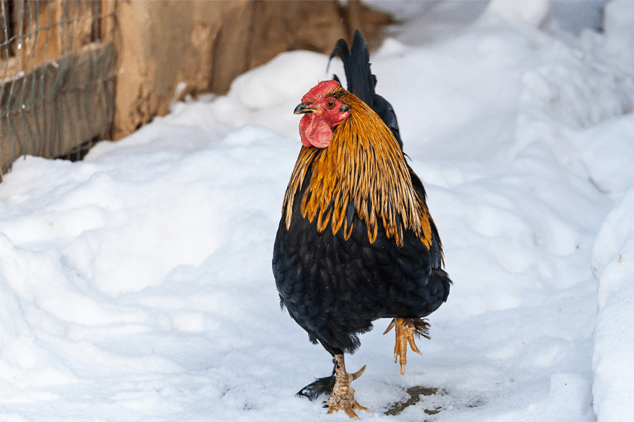
1. Frostbite: A Serious Winter Issue
Frostbite is one of the most well-known winter health problems in chickens.
It happens when body parts freeze due to cold and moisture.
Body parts most affected:
- Comb
- Wattles
- Toes
- Feet
Signs of frostbite
- Pale or white skin
- Dark or black tips on combs
- Swelling
- Pain or sensitivity
Keeping the coop dry and draft-free is key to preventing frostbite.
ALSO READ: How To Prevent Frostbite During Winter?
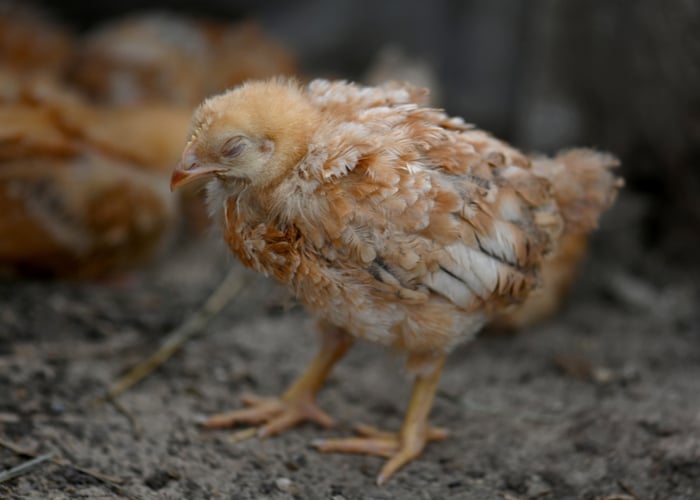
2. Respiratory Infections in Cold Weather
Cold air alone does not cause illness, but poor ventilation can.
Damp air mixed with ammonia from droppings can lead to breathing problems.
Symptoms to watch for:
- Sneezing
- Coughing
- Runny nose
- Watery eyes
- Open-mouth breathing
Respiratory illness is one of the most common winter chicken health problems, especially in tightly closed coops.
ALSO READ: The Chicken Respiratory System (And Common Diseases)

3. Dehydration During Winter
Many chicken keepers don’t realize dehydration is a winter problem.
Chickens need water just as much in winter as they do in summer.
Why dehydration happens:
- Frozen waterers
- Chickens avoid icy water
- Reduced drinking
Signs of dehydration:
- Dry comb
- Lethargy
- Reduced egg laying
Check water often and use heated waterers if possible.
ALSO READ: How to Provide Your Chickens With Water During Winter
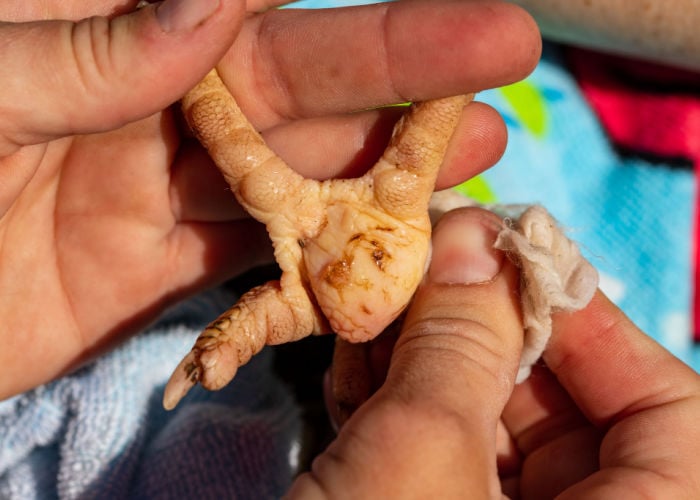
4. Bumblefoot From Icy or Wet Ground
Bumblefoot is a painful foot infection caused by cuts or injuries. Winter conditions can make it worse.
Common winter causes:
- Frozen mud
- Ice buildup
- Wet bedding
- Rough roosts
Symptoms:
- Limping
- Swollen foot pad
- Dark scab on the foot
Bumblefoot is one of the common winter chicken health problems that can become serious if untreated.
ALSO READ: Bumblefoot in Chickens: The Complete Care and Treatment Guide

5. Weight Loss and Poor Nutrition
Chickens burn more calories in winter to stay warm. Without proper nutrition, they may lose weight.
Signs of poor nutrition:
- Thin body
- Low energy
- Dull feathers
- Fewer eggs
Offer high-quality feed and limited winter treats to support their energy needs.
ALSO READ: High-Protein Treats to Keep Chickens Healthy in Winter
6. Egg Binding in Cold Weather
Egg binding happens when a hen cannot pass an egg. Cold temperatures can increase the risk.
Possible causes:
- Poor nutrition
- Calcium deficiency
- Dehydration
- Stress from the cold
Warning signs:
- Straining
- Sitting puffed up
- Not laying eggs
Egg binding is less common but still one of the common winter chicken health problems to watch for.

7. Mites and Lice Don’t Disappear in Winter
Many people think parasites die off in winter, but that’s not always true.
Why parasites persist:
- Warm coops
- Crowded flocks
- Shared bedding
Signs of mites or lice:
- Feather loss
- Constant scratching
- Pale comb
- Reduced egg laying
Regular coop cleaning helps control parasites year-round.
ALSO READ: 7 Natural Ways to Treat Chicken Mites and Stop Them Returning

8. Stress and Pecking Problems
Chickens spend more time indoors during winter. This can lead to stress and bad behavior.
Signs of winter stress:
- Feather picking
- Bullying
- Loud squawking
- Reduced movement
Stress-related issues are often overlooked common winter chicken health problems.
ALSO READ: Poultry Cannibalism: Signs, Solution, and Prevention

9. Reduced Egg Production in Hens
Shorter days and cold weather naturally reduce egg production.
Normal winter changes:
- Fewer eggs
- Smaller eggs
- Pauses in laying
However, sudden stops combined with other symptoms may signal health problems.
ALSO READ: Keep Hens Laying Eggs Through The Winter
10. Weak Immune Systems in Winter
Cold stress can weaken a chicken’s immune system, making them more likely to get sick.
Factors that weaken immunity:
- Poor diet
- Damp bedding
- Dirty coops
- Stress
Supporting immunity helps prevent common winter chicken health problems before they appear.
How to Prevent Winter Health Problems
Prevention is always easier than treatment. Here are a few winter prevention tips:
- Keep the coop dry and clean
- Ensure proper ventilation
- Provide fresh, unfrozen water
- Feed balanced nutrition
- Reduce drafts, not airflow
Small daily checks can prevent big problems.
When to Call a Vet
Some problems need professional help. Call a vet if you notice:
- Severe breathing trouble
- Persistent limping
- Bleeding or infection
- Sudden death
- No eating or drinking
Remember: early action saves lives.
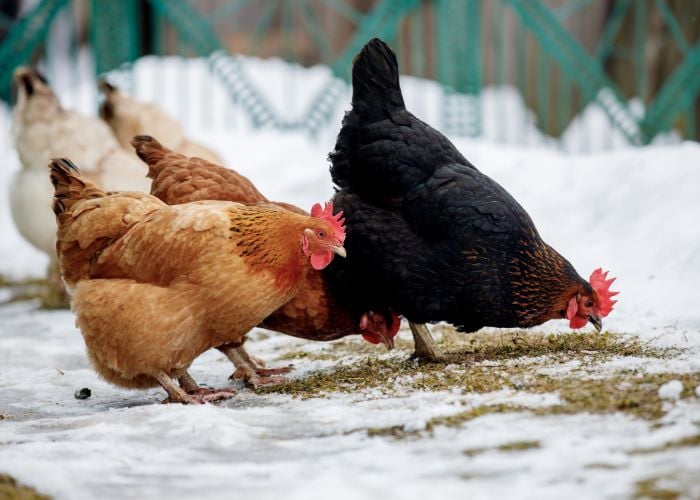
Daily Winter Health Check Routine
A quick daily check helps catch problems early. You can do these simple tasks every day:
- Look at the comb color
- Watch movement and behavior
- Check water and feed
- Inspect bedding
These habits help reduce common winter chicken health problems throughout the season.
Winter Chicken Health Problems: Before You Go…
Winter doesn’t have to be dangerous for your flock.
With proper care, clean housing, and close observation, you can protect your chickens from most cold-weather illnesses.
Understanding common winter chicken health problems helps you act early and keep your flock safe, comfortable, and healthy all winter long.
Healthy chickens are happy chickens…even in the cold.