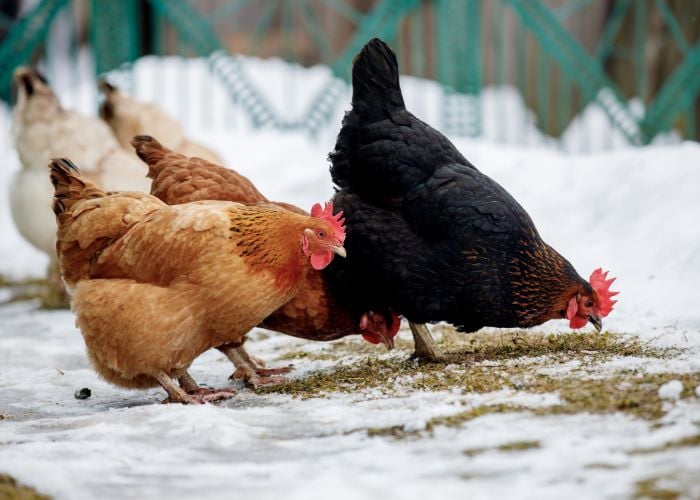
Winter can be a tough season for chickens.
The cold weather makes them use more energy just to stay warm.
When temperatures drop, your flock needs extra nutrition to keep their bodies strong.
One of the best ways to support them is by giving high-protein treats for chickens this winter.
Protein helps chickens grow strong feathers, stay warm, fight sickness, and keep laying eggs.
Without enough protein, they can get weak, stop laying, or become stressed from the cold.
That’s why winter is the perfect time to boost their diet with healthy, high-protein snacks.
In this article, you’ll learn why protein matters, which treats are the best, and how often you should feed them to your flock.
By the end, you’ll know exactly how to choose the right high-protein treats for chickens this winter to keep your birds happy and healthy all season long.
Why Chickens Need More Protein in Winter
When chickens face cold weather, their bodies work extra hard.
Just like how you shiver to stay warm, chickens burn more energy to keep their body temperature up.
This means they need more protein, more calories, and more nutrients during the winter season.
Here’s why high-protein treats matter:
Helps Maintain Body Heat
Protein gives chickens the energy to stay warm.
Supports Feather Growth
Feathers are made mostly of protein.
Keeps Egg Production Steady
Hens that get enough protein lay more regularly.
Boosts Immune System
Helps chickens fight off winter colds and germs.
Prevents Weight Loss
Cold weather can cause chickens to burn fat quickly.
Adding high-protein treats for chickens this winter is one of the easiest ways to help your flock stay strong when the weather turns snowy and icy.
The Best High-Protein Treats for Winter
Below are some of the healthiest and easiest treats you can give your chickens.
Each one contains high amounts of protein, and your flock will love them, especially when the ground is frozen and bugs are hard to find.

1. Mealworms (Dried or Live)
Mealworms are one of the most popular High-Protein Treats for Chickens this Winter because they pack a huge amount of protein in every bite.
Benefits:
- Boosts egg production
- Helps chickens grow warm feathers
- Easy to store for long periods
How to feed:
- Hand-feed them
- Scatter them in the run for entertainment
- Mix into feed
ALSO READ: Dried Mealworms: Should Your Chickens Eat Them?
2. Black Soldier Fly Larvae
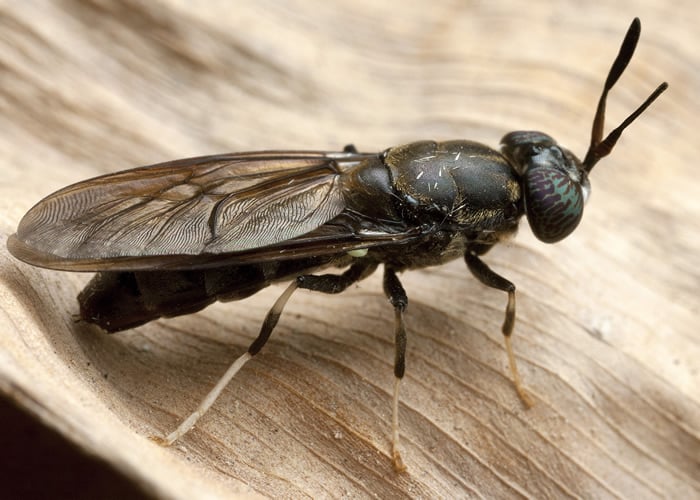
These are even higher in calcium than mealworms, making them great for egg-laying hens.
Why chickens love them:
- Crunchy texture
- Slight nutty smell
- Super high protein levels
Benefits for winter:
- Helps hens lay strong eggshells
- Keeps chickens full longer
- Boosts energy on cold days

3. Scrambled or Boiled Eggs
This might sound funny, but feeding eggs to chickens is totally safe and very healthy.
Eggs are full of protein, vitamins, and healthy fats.
How to serve:
- Scrambled eggs
- Hard-boiled and chopped
- Mashed eggs (without salt or oil)
Just make sure the eggs are cooked so your flock doesn’t learn to peck their own eggs in the nest.
ALSO READ: Can Chickens Eat Eggs?
4. Sunflower Seeds
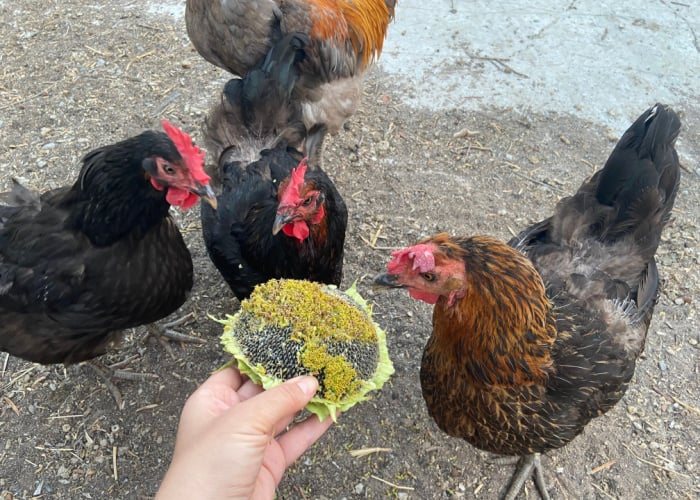
Sunflower seeds are a winter favorite because they give both protein and healthy fat, which helps birds stay warm.
Benefits:
- Improves feather health
- Adds shine to plumage
- Great energy source
How much to feed:
- A handful per flock
- Mix into scratch grains
ALSO READ: Can Chickens Eat Sunflower Seeds?
5. Tuna or Sardines (in water)
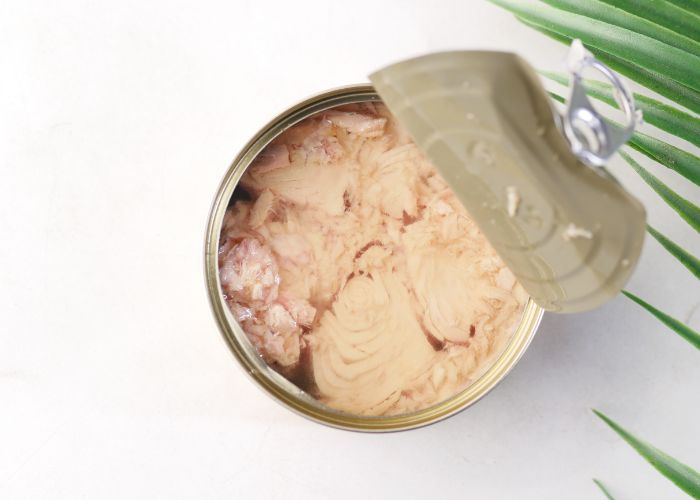
Yes…chickens can eat fish!
Tuna and sardines contain very high levels of protein and omega-3 fatty acids.
Make sure they are:
- In water (not oil)
- Low in sodium
- Boneless for younger birds
Fish is a great occasional treat, especially when the weather is freezing.
ALSO READ: Can Chickens Eat Fish? You’d Be Surprised!
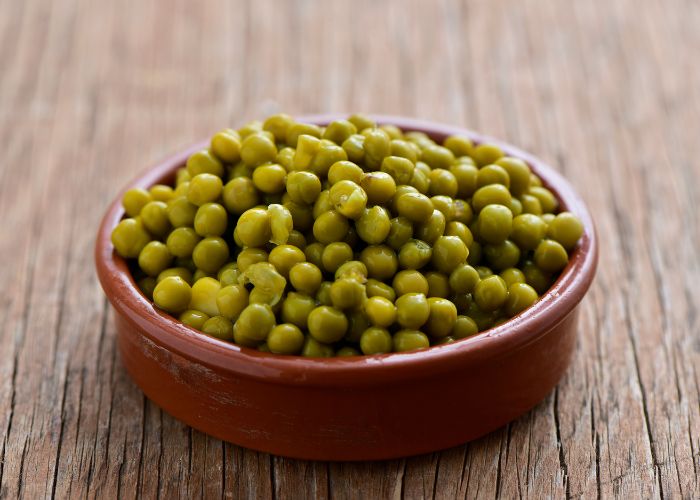
6. Peas and Lentils (Cooked)
Cooked peas and lentils are safe, healthy, and packed with protein.
Why they’re great for winter:
- Warm treat on cold days
- Easy to digest
- Helps maintain weight
Feeding idea: Mix cooked peas and lentils with scrambled eggs for a protein-rich winter bowl.
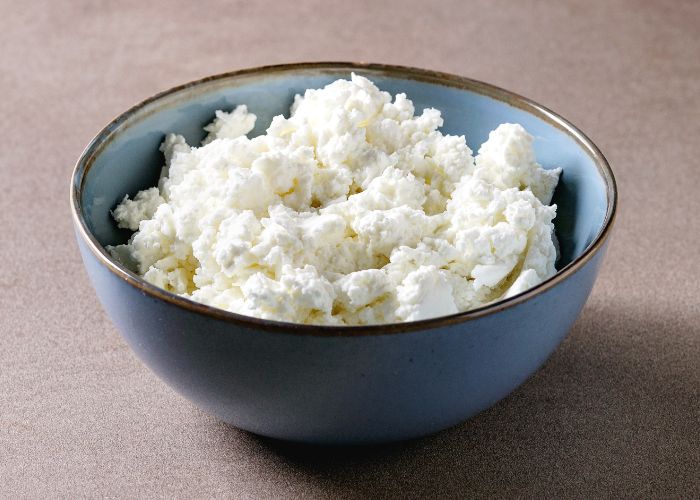
7. Cottage Cheese or Plain Greek Yogurt
Dairy should be fed sparingly, but in small amounts, it adds protein and probiotics.
Benefits:
- Helps support digestion
- Great for sick or weak chickens
- Adds extra calories during winter
Give in tiny amounts to avoid stomach upset.

8. Pumpkin Seeds
If you stored pumpkins from fall, the seeds are perfect for winter protein.
Benefits:
- Packed with protein
- Help control worms in the gut
- Fun for chickens to peck at
Dry them or feed them straight from the pumpkin.
How Often Should You Feed High-Protein Treats?
Treats should not replace regular chicken feed. Instead, they should be fed in small, healthy amounts (usually about 10% of their daily diet).
Here’s a simple winter feeding schedule:
- Mealworms: A handful per flock every day
- Sunflower seeds: A few tablespoons every other day
- Scrambled eggs: Twice per week
- Fish: Once a week
- Cooked peas/lentils: A few times per week
Feeding high-protein treats to chickens this winter too often can lead to weight gain or imbalanced nutrition, so moderation is important.
Foods to Avoid in Winter
Not all treats are safe…even in winter. Here are some foods you should never give your chickens:
- Chocolate
- Sugary snacks
- Salty foods
- Raw beans
- Moldy bread
- Avocado pits and skins
These can make your chickens sick or cause digestive problems.
ALSO READ: Toxic Foods for Chickens: What You Should NEVER Feed Them

How High-Protein Treats Help Egg Production
Chickens naturally lay fewer eggs in winter because of shorter days and colder air.
But giving high-protein treats for chickens this winter helps:
- Keep hens warm
- Support healthy feathers
- Maintain energy levels
- Improve calcium absorption
- Boost overall health
While protein alone won’t force hens to lay, it does help them stay healthy enough to produce eggs more regularly.
Other Winter Tips to Keep Chickens Healthy
Protein treats are just one part of winter chicken care. To keep your flock strong this season, make sure to:
Keep the coop dry
Wet bedding can make chickens sick fast.
Add extra bedding
Straw and pine shavings help insulate the coop.
Protect water from freezing
Use heated waterers or rotate warm water a few times a day.
Block drafts
Seal gaps but keep ventilation open near the roof.
Check for frostbite
Pay attention to combs, wattles, and toes.
Doing all of these together creates the perfect winter environment, along with regularly feeding high-protein treats for chickens.
ALSO READ: The Definitive Guide To Keeping Chickens In Winter
Winter Emergency Protein Snacks
Keep these on hand for surprise snowstorms:
- Canned fish
- Peanut butter (very small amounts)
- High-protein chicken feed
- Freeze-dried mealworms
- Mixed nuts (unsalted)
These can help your flock stay strong when the weather gets extreme.
High-Protein Treats for Chickens in Winter: Before You Go…
Winter doesn’t have to be a tough time for your chickens.
With the right food and care, your flock can stay warm, healthy, and happy even in freezing temperatures.
Adding high-protein treats for chickens this winter is one of the best ways to give your birds the energy they need.
Whether you choose mealworms, eggs, sunflower seeds, or cooked peas, your chickens will appreciate the extra boost.
Just remember to feed treats in moderation and keep their coop dry and draft-free.
A well-fed chicken is a warm and healthy chicken…and that’s the key to thriving all winter long.
RELATED READS:
- The Definitive List of Chicken Treats: What Can Chickens Eat?
- Treats That Will Make Your Hens Lay More Eggs
- 9 Healthy Treats Your Chickens Will Love
INTERESTED?