
Fall is one of the most beautiful seasons on the homestead. There’s the cool air, colorful leaves, and crisp mornings.
But for chicken keepers, it also brings one big question: Is it safe to let chickens free-range in the fall?
As the weather changes, so do the conditions your flock faces.
Predators get hungrier, daylight shortens, and plants start to die back.
But at the same time, your hens love to explore, scratch around, and enjoy the mild fall weather.
In this article, we’ll look at the benefits and risks of keeping free-range chickens in the fall, plus some easy safety tips to make sure your flock stays healthy and secure all season long.
Is It Safe to Let Chickens Free-Range in Fall?
Many chicken owners love letting their flock roam during fall…and for good reason!
The weather is comfortable, the bugs are still out, and there’s plenty for your birds to forage.
Reasons to Free-Range Chickens
Here are some great reasons to keep free-range chickens in the fall:
Cooler temperatures
Your chickens won’t overheat like they might in summer.
Natural foraging
Fall is full of seeds, bugs, and leftover plants to peck at.
Happy hens
Free-ranging gives them exercise and mental stimulation.
Cleaner coops
When your flock spends time outdoors, less mess builds up inside.
Fall offers the perfect balance. That means it’s neither too hot nor too cold, making it an ideal time for your chickens to enjoy the outdoors safely.
Potential Dangers for Free-Range Chickens in Fall
While fall is great for exploring, it also brings a few new challenges.
Chickens are curious creatures, and that means they can get into trouble if you’re not prepared.
Here are the main risks to watch for when keeping free-range chickens in the fall:
1. Predators on the Move
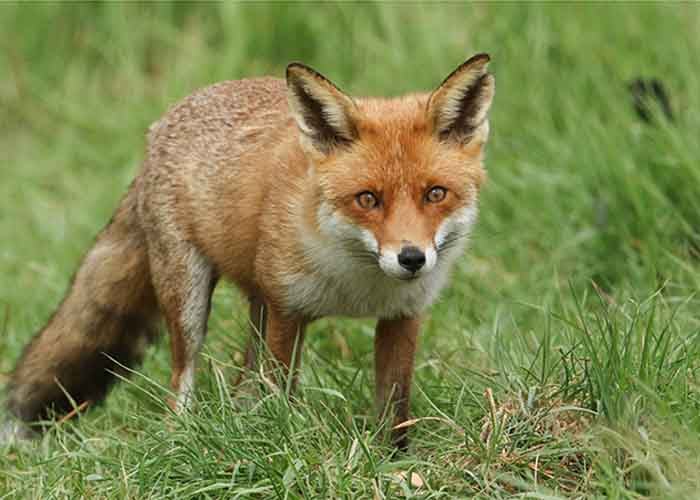
As the weather cools, predators like foxes, raccoons, and hawks become more active.
They’re stocking up on food before winter, and your chickens might look like the perfect snack.
Tip: Be aware of potential predator signs, including tracks, feathers, or damage to fencing.
ALSO READ: 21 Tips: Keeping Your Chickens Safe From Predators
2. Fewer Hours of Daylight
With shorter days, your chickens will have less time to forage.
They might wander too far before dark and struggle to find their way home.
Tip: Encourage your chickens to return to the coop early by offering evening treats.
3. Wet and Muddy Conditions
Fall rain can turn your yard into a muddy mess.
Wet feathers can chill chickens and lead to health issues, such as frostbite, later on.
Tip: Provide dry areas with straw or wood chips for them to scratch and rest.
4. Toxic Plants and Mold
Some plants and leaves that fall to the ground can be harmful if eaten.
Wet leaves can also grow mold, which is dangerous for chickens.
Tip: Regularly clean up fallen fruit or moldy compost piles.
Preparing Your Coop and Yard for Free-Ranging
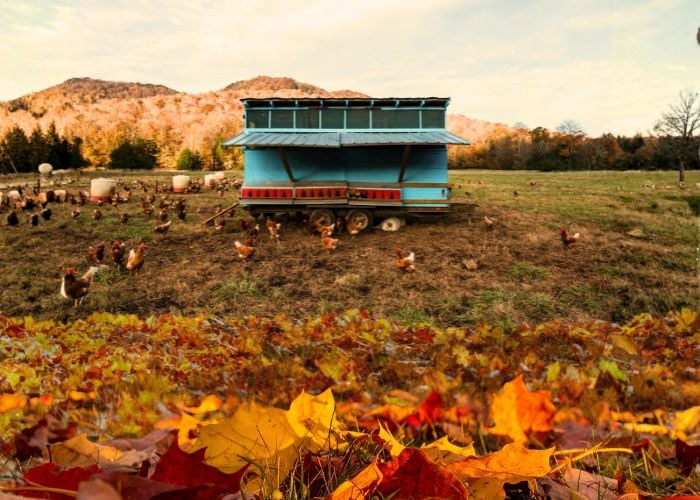
Before letting your free-range chickens out to explore, ensure their space is safe and secure.
Here’s how to get your coop and yard ready:
Inspect fences
Repair any holes or weak spots where predators could sneak in.
ALSO READ: Chicken Fencing: Which One Should You Choose
Lock up at night
Chickens should always return to a safe, locked coop before dark.
Provide shelter
Set up small shelters or shaded areas outside for protection from wind and rain.
ALSO READ: Top 10 Best DIY Chicken Coop Designs for Your Flock in 2025
Keep food indoors
Store chicken feed inside the coop or a metal bin to keep pests away.
Add dry pathways
Use gravel, wood chips, or straw to reduce mud.
Taking these steps makes your outdoor area a safer place for fall foraging.
What Chickens Eat While Free-Ranging in Fall
One of the best parts of letting your free-range chickens in the fall is watching them find their own tasty treats!
Here’s what they might snack on during their adventures:
- Insects: Crickets, worms, beetles, and grubs are still plentiful.
- Seeds: Fallen grass and weed seeds provide great nutrition.
- Leftover plants: Chickens love nibbling on leftover garden greens and herbs.
- Fallen fruit: Apples, pears, and pumpkins make delicious snacks.
You can also supplement their diet with kitchen scraps like:
- Leafy greens
- Cooked rice or oats
- Pumpkin or squash bits
Just make sure to avoid harmful foods like raw beans, green potato peels, or anything moldy.
How to Keep Chickens Safe from Predators
Protecting free-range chickens in the fall means thinking one step ahead of predators.
Here are simple ways to keep your flock safe:
Supervised free-ranging
If possible, stay nearby when your chickens are out.
Use a rooster
A good rooster will watch over the flock and warn of danger.
Add motion lights
Sudden light can scare off nighttime predators.
Install a covered run
If hawks are a problem, use netting or wire over part of the yard.
Set up hiding spots
Bushes, shrubs, or small shelters provide chickens with a place to hide if they feel threatened.
Dealing with Shorter Days and Cold Nights
As the days get shorter, your flock’s habits will change.
Chickens naturally slow down egg production in the fall because they get less daylight.
Tips to adjust:
- Add supplemental lighting to the coop to maintain steady laying.
- Feed extra protein to help with molting and feather regrowth.
- Close the coop early once the sun sets to keep everyone safe and warm.
Cold nights are fine for most breeds, but ensure the coop remains dry and draft-free.
Chickens can handle cold weather better than dampness!

Health Tips for Free-Range Chickens in Fall
Keeping free-range chickens healthy in the fall means paying attention to the small details. T
The change in temperature, moisture, and daylight can affect your flock in different ways.
Important Fall Health Checks
Molting
Many chickens lose old feathers and grow new ones in the fall. Give them protein-rich treats, such as mealworms, to help.
ALSO READ: Chicken Molting: What Is It and How to Help Your Hens With It
Parasite control
Mites and lice can hide in feathers, especially when they’re damp. Check your birds regularly.
ALSO READ: The Complete Guide To Chicken Parasites
Clean water
Ensure your chickens always have access to fresh, unfrozen water.
ALSO READ: Heated Chicken Waterer: What’s Best for Your Flock?
Foot care
Wet ground can cause mud buildup or sores. Keep perches and walkways clean and dry.
ALSO READ: Common Chicken Foot Problems: Causes, Symptoms, Treatment, and Prevention
Healthy chickens are happy chickens….and happy chickens lay better eggs!
Should You Limit Free-Ranging in Fall?
While free-ranging is fun and natural, some situations might call for keeping your chickens in their run more often.
You might limit free-ranging if:
- There are many predators in your area.
- The weather is very wet or windy.
- You live near a busy road or open fields.
- Your chickens don’t return to the coop before dark.
If safety is a concern, create a large, enclosed run where your chickens can still peck, scratch, and enjoy the sunshine.
The Benefits of Free-Range Chickens in Fall
Even with a few challenges, the benefits of keeping free-range chickens in the fall far outweigh the risks when done safely.
Here’s what you and your flock gain:
- Healthier, more active chickens
- Fewer pests and bugs around your yard
- Lower feed costs (they eat what they find!)
- Happier hens that produce rich, flavorful eggs
Watching your flock explore fallen leaves and hunt for tasty bugs is one of the best joys of fall chicken keeping.
Let Chickens Free-Range in Fall: Before You Go…
So, is it safe to let chickens free-range in the fall?
Yes…as long as you take a few precautions.
By checking for predators, keeping the yard dry, and giving your flock plenty of shelter, you can enjoy all the benefits of free-range chickens in the fall without the risks.
Fall is a season of change, and your chickens will love the cooler weather, crunchy leaves, and bugs galore.
With the right care, your hens can stay healthy, happy, and ready for winter.
RELATED READS:
- Fall Checklist for Backyard Chicken Keepers
- Best Tips for Insulating a Chicken Coop This Winter
- How To Keep Chickens Warm In The Winter
Train Free-Range Chickens to Get Back in the Coop