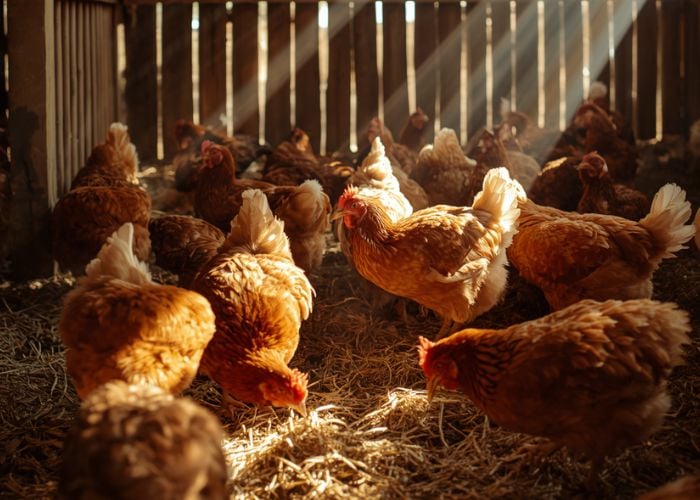
Summer can be one of the toughest seasons for backyard chickens.
While chickens are surprisingly good at handling cold weather, extreme heat can quickly become dangerous.
A hot, stuffy coop can trap heat, moisture, dust, and odors, making your flock uncomfortable and increasing the risk of heat stress.
That is why every chicken keeper should know how to improve coop ventilation in summer.
Good airflow helps remove hot air, keeps humidity in check, and helps chickens stay cooler during long summer days.
In this guide, you will learn:
- How to improve coop ventilation in summer
- Why ventilation matters
- Simple ways to create a healthier environment for your flock
Why Ventilation Matters During Summer
Ventilation means allowing fresh air to move through the coop while removing stale air.
Good ventilation helps:
- Reduce heat buildup
- Lower humidity
- Remove ammonia from droppings
- Reduce odors
- Improve air quality
- Keep chickens comfortable
Without proper airflow, coop temperatures can become much hotter than the outside air.
Learning how to improve coop ventilation in summer can help prevent serious health problems and keep your flock productive.
What Happens in a Poorly Ventilated Coop?
A coop with poor airflow can become uncomfortable very quickly.
Common problems include:
- Excess heat
- High humidity
- Moist bedding
- Strong ammonia smells
- Increased stress
- More flies and pests
Chickens living in hot, stagnant air may:
- Pant heavily
- Eat less
- Lay fewer eggs
- Become dehydrated
These problems show why understanding how to improve coop ventilation in summer is so important.
Know the Difference Between Ventilation and Drafts
Many new chicken keepers confuse ventilation with drafts.
Ventilation:
- Allows gentle airflow
- Removes hot air
- Improves air quality
Drafts:
- Blow directly on chickens
- Can cause stress
- Are more problematic during cold weather
In summer, the goal is steady airflow without creating harsh wind inside the coop.
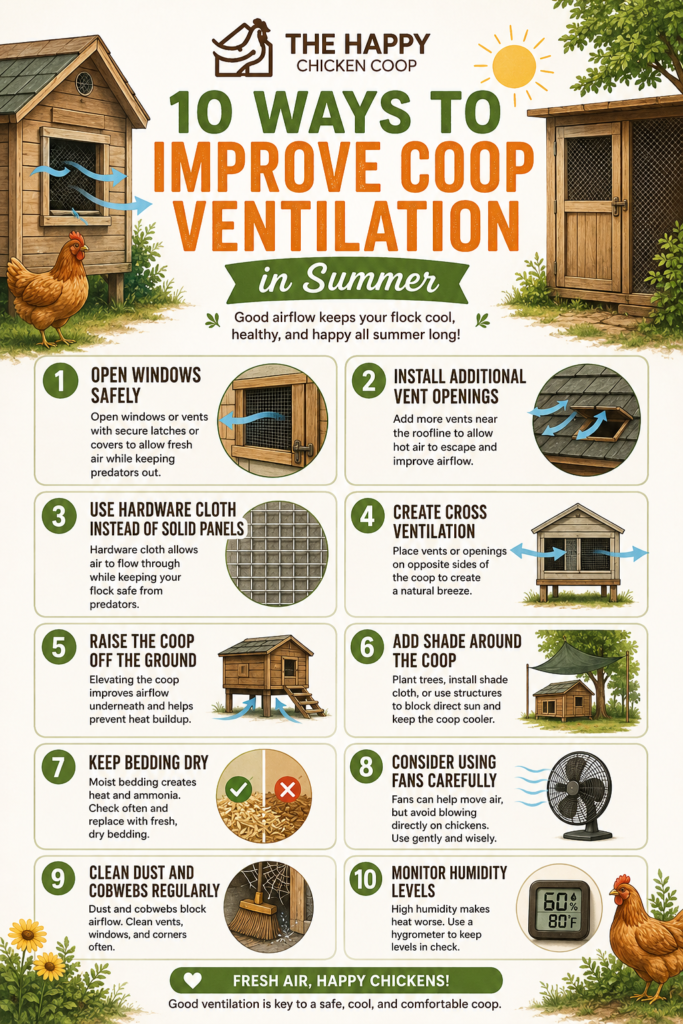
10 Ways to Improve Coop Ventilation in Summer
Open Windows Safely
One of the easiest ways to improve airflow is to open windows.
Benefits:
- Fresh air enters the coop
- Hot air escapes
- Natural cooling occurs
Tips:
- Cover openings with hardware cloth
- Keep predators out
- Open windows during the day
Many people start learning how to improve coop ventilation in summer simply by making better use of existing windows.
Install Additional Vent Openings
Sometimes existing windows are not enough.
Adding vents near the top of the coop can help.
Advantages:
- Hot air naturally rises
- Warm air escapes more easily
- Better airflow throughout the coop
Good vent locations:
- Near the roofline
- Along the upper walls
- Under eaves
Permanent vents can improve comfort all summer long.
Use Hardware Cloth Instead of Solid Panels
Some coops have solid walls that block airflow.
Replacing sections with hardware cloth can:
- Increase air movement
- Improve cooling
- Maintain predator protection
Hardware cloth is stronger and safer than regular chicken wire.
This is one of the most effective methods for anyone wondering how to improve coop ventilation in summer.
Create Cross Ventilation
Cross-ventilation occurs when air enters one side of the coop and exits through the other.
Benefits:
- Continuous airflow
- More effective cooling
- Reduced heat buildup
To create cross ventilation:
- Open windows on opposite sides
- Install vents across from each other
- Keep pathways clear
Cross ventilation often provides better cooling than a single opening.

Raise the Coop Off the Ground
Elevated coops can stay cooler.
Benefits include:
- Better airflow underneath
- Reduced moisture buildup
- Cooler floor temperatures
A raised coop also:
- Helps prevent rot
- Discourages pests
- Improves drainage
Air circulating underneath can make a noticeable difference during hot weather.
Add Shade Around the Coop
Ventilation works best when combined with shade.
Good shade sources include:
- Trees
- Shade cloth
- Bushes
- Covered structures
Shade helps:
- Reduce direct sunlight
- Lower coop temperatures
- Protect chickens from overheating
Even the best airflow cannot fully compensate for a coop baking in direct sunlight all day.
ALSO READ: Best Summer Plants Around Chicken Coops

Keep Bedding Dry
Wet bedding creates humidity inside the coop.
High humidity makes chickens feel hotter because it slows cooling.
Check bedding regularly for:
- Water spills
- Damp spots
- Leaks
Good bedding options include:
- Pine shavings
- Hemp bedding
- Straw
Keeping bedding dry is another important step in improving coop ventilation in summer.
ALSO READ: Top 5 Choices For Chicken Coop Bedding
Consider Using Fans Carefully
Fans can help improve airflow in very hot climates.
Benefits:
- Move hot air out
- Increase air circulation
- Reduce stagnant air
Safety tips:
- Keep cords protected
- Prevent chickens from reaching fans
- Use outdoor-rated equipment
Fans should support natural ventilation, not replace it.
Clean Dust and Cobwebs Regularly
Dust buildup can reduce airflow.
Areas to clean:
- Vents
- Windows
- Screens
- Roof openings
Regular cleaning:
- Improves air movement
- Reduces respiratory irritation
- Makes the coop healthier
A clean coop supports better ventilation throughout summer.
ALSO READ: How to Clean and Disinfect a Chicken Coop
Monitor Humidity Levels
Heat is not the only concern.
Humidity can make chickens feel much hotter than the actual temperature.
High humidity can:
- Increase heat stress
- Reduce comfort
- Encourage mold growth
Good ventilation helps remove excess moisture and keeps conditions healthier.
Watch for Signs Your Coop Needs More Airflow
Chickens often tell you when ventilation is not adequate.
Warning signs:
- Panting
- Wings held away from the body
- Strong odors
- Damp bedding
- Condensation
- Reduced egg production
If you notice these issues, it may be time to review how to improve coop ventilation in summer and make changes.
Common Ventilation Mistakes
Avoid these common mistakes:
- Sealing the coop too tightly
- Blocking vents with bedding
- Using only one small window
- Ignoring humidity
- Forgetting predator protection
Many ventilation problems are easy to fix once identified.
Simple Summer Ventilation Checklist
Before summer arrives:
- Inspect all vents
- Clean windows and screens
- Replace damaged hardware cloth
- Check roof openings
- Add shade if needed
- Ensure bedding stays dry
- Test airflow on hot days
A quick checklist can prevent major problems later.
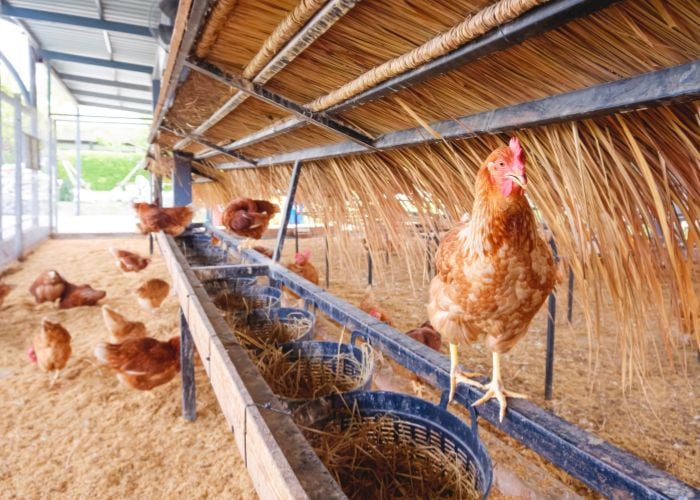
Benefits of Better Coop Ventilation
When you successfully learn how to improve coop ventilation in summer, your flock can enjoy:
- Lower stress
- Better health
- Cleaner air
- Reduced odors
- Improved comfort
- Better egg production
- Lower risk of heat-related illness
Good ventilation benefits chickens every day, not just during heat waves.
Improve Coop Ventilation in Summer: Before You Go…
Knowing how to improve coop ventilation in summer is one of the most important parts of warm-weather chicken care.
Proper airflow helps remove heat, lower humidity, and create a healthier environment for your flock.
By taking a few simple steps, you can keep your coop cooler and your chickens happier all summer long.