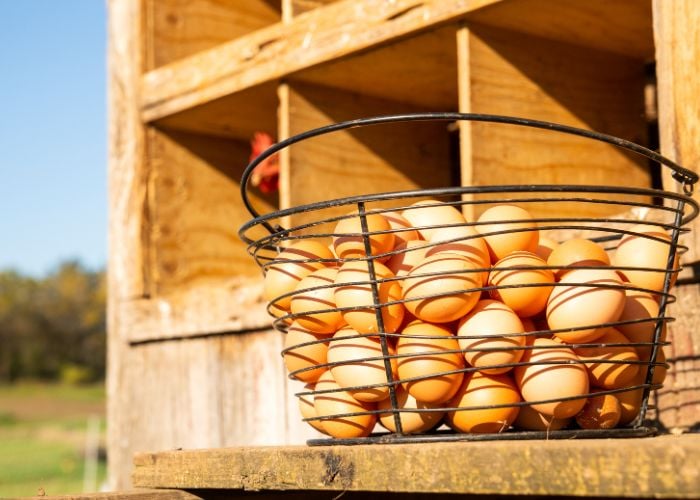
Summer can be hard on backyard chickens, but it can also be tough on their eggs.
High temperatures can affect egg quality, freshness, and safety if eggs are left in hot nesting boxes for too long.
During heat waves, eggs can warm up quickly, which increases the risk of spoilage and bacterial growth.
That is why every chicken keeper should learn how to protect eggs from summer heat.
By making a few simple changes to your daily routine, you can help keep eggs fresh and safe throughout the hottest months of the year.
In this guide, you will discover:
- How to protect eggs from summer heat
- Why summer temperatures matter
- The best ways to store and collect eggs during hot weather.
Why Summer Heat Can Be a Problem for Eggs
Fresh eggs are naturally protected by a coating called the bloom.
This protective layer helps keep bacteria out and moisture in.
However, extreme heat can cause problems such as:
- Faster spoilage
- Reduced freshness
- Weaker egg quality
- Increased bacterial growth
- Cracked shells
When temperatures rise, eggs can become unsafe much more quickly than during cooler months.
Understanding how to protect eggs from summer heat helps ensure your family enjoys fresh, high-quality eggs.
Ways to Protect Eggs From Summer Heat
Collect Eggs More Often
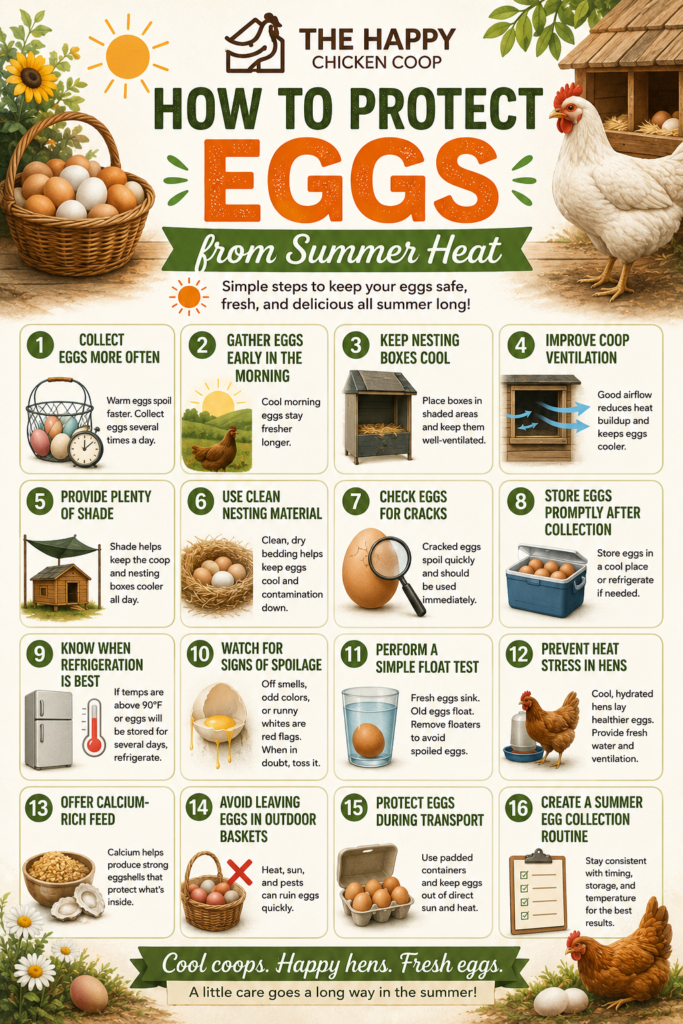
One of the easiest ways to protect eggs is to gather them frequently.
During summer:
- Collect eggs at least twice daily
- Check nesting boxes in the morning
- Collect again in the afternoon
- Gather eggs immediately during heat waves
The longer eggs sit in a hot coop, the warmer they become.
Many chicken keepers find that frequent collection is the most effective way to protect eggs from summer heat.
Gather Eggs Early in the Morning
Morning temperatures are usually cooler.
Benefits of early collection:
- Eggs spend less time in the heat
- Better freshness
- Lower risk of spoilage
Try collecting eggs:
- Shortly after sunrise
- Before the hottest part of the day
This simple habit can make a big difference during summer.
Keep Nesting Boxes Cool
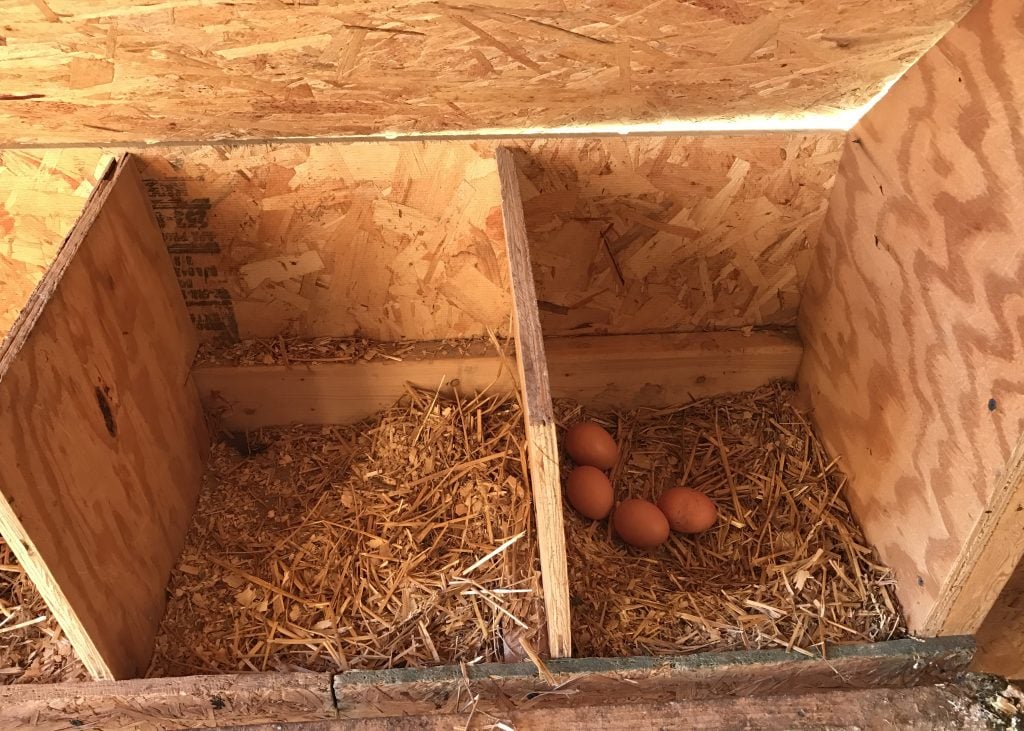
Hot nesting boxes can warm eggs very quickly.
Ways to cool nesting areas:
- Improve ventilation
- Add shade around the coop
- Use light-colored roofing materials
- Keep nesting boxes away from direct sunlight
A cooler nesting box helps keep eggs cooler as well.
This is an important part of learning how to protect eggs from summer heat.
ALSO READ: Chicken Nesting Boxes 101 and 13 Best DIY Plans
Improve Coop Ventilation
Good airflow helps reduce heat buildup.
Benefits of ventilation:
- Removes hot air
- Lowers humidity
- Improves comfort for chickens
- Helps protect eggs
Ways to improve airflow:
- Open screened windows
- Install vents
- Use hardware cloth openings
- Create cross ventilation
Better ventilation benefits both chickens and their eggs.
Provide Plenty of Shade
Shade can significantly lower temperatures around the coop.
Good shade options include:
- Trees
- Shade cloth
- Bushes
- Covered runs
Shaded coops stay cooler throughout the day.
When discussing how to protect eggs from summer heat, shade is one of the easiest and most affordable solutions.
ALSO READ: Best Summer Plants Around Chicken Coops
Use Clean Nesting Material
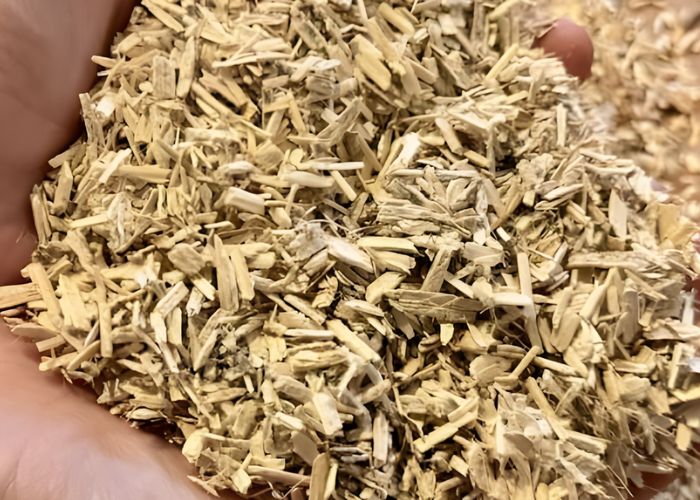
Clean nesting material helps protect eggs from contamination.
Good nesting materials:
- Pine shavings
- Straw
- Hemp bedding
Replace bedding when it becomes:
- Wet
- Dirty
- Moldy
Fresh bedding helps maintain egg quality during summer.
ALSO READ: Top 5 Choices For Chicken Coop Bedding
Check Eggs for Cracks
Heat can sometimes contribute to shell problems.
Inspect eggs for:
- Hairline cracks
- Soft spots
- Thin shells
Cracked eggs should not be stored with intact eggs.
Bacteria can enter damaged shells much more easily.
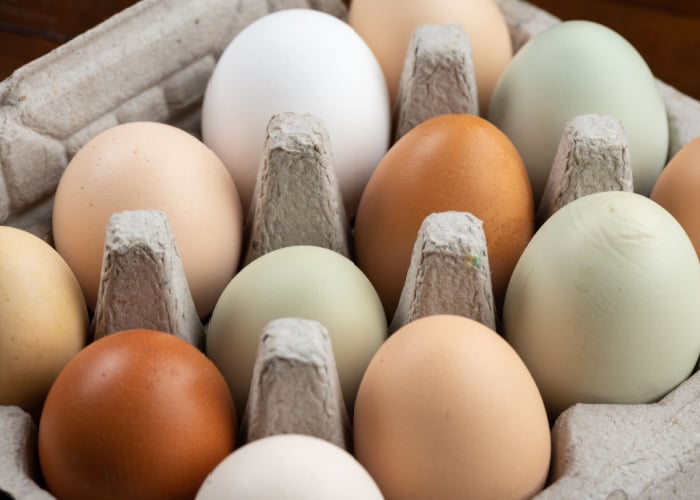
Store Eggs Promptly After Collection
After gathering eggs, move them to a cooler location.
Good storage locations:
- Refrigerator
- Air-conditioned room
- Cool pantry (if unwashed and local guidelines allow)
Avoid:
- Direct sunlight
- Hot vehicles
- Warm kitchens
Quick storage is essential when learning how to protect eggs from summer heat.
Know When Refrigeration Is Best
In very hot climates, refrigeration is often the safest choice.
Benefits of refrigeration:
- Slows bacterial growth
- Maintains freshness
- Extends storage life
Refrigerated eggs generally stay fresh much longer than eggs stored in warm environments.

Watch for Signs of Spoilage
Summer heat can speed up spoilage.
Warning signs include:
- Bad odor
- Leaking eggs
- Discolored contents
- Unusual appearance
If an egg seems questionable, it is best to discard it.
ALSO READ: Common Egg Laying Problems
Perform a Simple Float Test
A float test can help estimate freshness.
How to do it:
- Fill a bowl with water.
- Place the egg in the water.
- Observe what happens.
Results:
- Sinks and lies flat = very fresh
- Sinks but stands upright = older but usable
- Floats = likely spoiled
The float test can be a useful tool during hot weather.
FULL INFORMATION: Egg Float Test
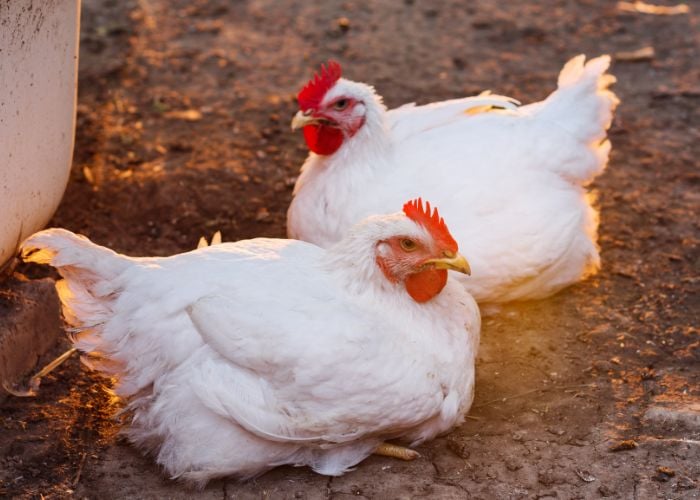
Prevent Heat Stress in Hens
Healthy hens usually lay better-quality eggs.
Heat stress can cause:
- Thin shells
- Reduced egg production
- Smaller eggs
Help hens stay comfortable by:
- Providing cool water
- Offering shade
- Improving ventilation
- Feeding during cooler hours
Healthy chickens produce healthier eggs.
ALSO READ: Chicken Heat Stroke Treatment and 7 Shade Ideas for Your Flock
Offer Calcium-Rich Feed
Summer stress can affect shell quality.
Good calcium sources include:
- Layer feed
- Oyster shell
- Crushed eggshells
Strong shells provide better protection against heat and bacteria.
Avoid Leaving Eggs in Outdoor Baskets
Some keepers enjoy displaying eggs in decorative baskets.
During summer, avoid leaving eggs:
- On porches
- In garages
- In vehicles
- Outdoors
Even a short period in direct heat can affect freshness.
This is another key lesson in how to protect eggs from summer heat.

Protect Eggs During Transport
If you sell or give away eggs, keep them cool during transport.
Helpful ideas:
- Use insulated coolers
- Keep eggs shaded
- Avoid long periods in hot vehicles
Transporting eggs carefully helps preserve quality.
Create a Summer Egg Collection Routine
A simple routine can make egg protection easier.
Daily checklist:
- Check nesting boxes early
- Collect eggs twice daily
- Inspect for cracks
- Store eggs promptly
- Keep nesting material clean
Consistency helps ensure fresh eggs all summer long.

Common Summer Egg Mistakes
Avoid these mistakes:
- Collecting eggs only once daily
- Leaving eggs in direct sunlight
- Ignoring coop ventilation
- Storing eggs in hot rooms
- Using dirty nesting material
Even small changes can greatly improve egg quality.
Benefits of Proper Summer Egg Care
Learning how to protect eggs from summer heat offers many benefits.
Benefits include:
- Fresher eggs
- Better flavor
- Improved safety
- Longer storage life
- Higher-quality shells
A little extra care during summer helps protect both your eggs and your flock.
Protect Eggs From Summer Heat: Before You Go…
Knowing how to protect eggs from summer heat is an important part of backyard chicken keeping.
Hot weather can affect freshness, shell quality, and food safety, but simple habits can make a big difference.
By following these steps, you can enjoy fresh, safe, and delicious eggs all summer long.