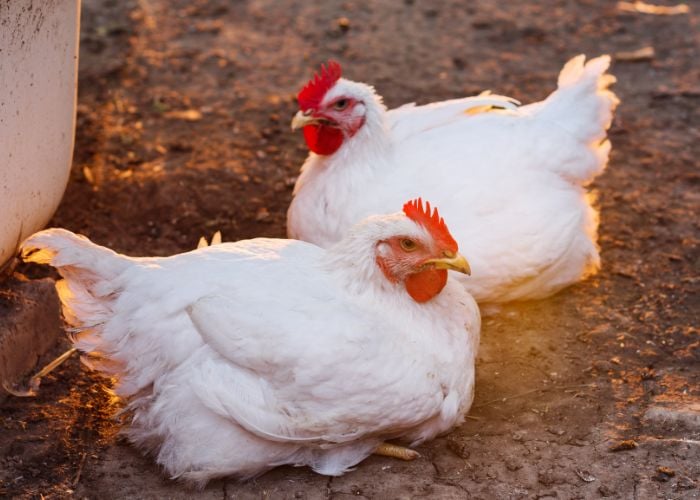
Summer can be dangerous for backyard chickens when temperatures get too high.
Chickens wear feathers all year long, so they can overheat much faster than people.
During extreme heat, chickens may become weak, dehydrated, or even die if they do not get help quickly.
That is why every chicken keeper should know about emergency care for chickens in summer heat.
Quick action during hot weather can save your flock’s life.
In this guide, you will learn how to spot heat stress, cool chickens safely, and use simple emergency summer heat care for chickens to protect your flock during heat waves.
Why Summer Heat Is Dangerous for Chickens
Chickens cannot sweat like humans. Instead, they try to cool themselves by panting and spreading their wings.
Extreme heat can cause:
- Dehydration
- Heat stress
- Heatstroke
- Weakness
- Lower egg production
Heavy breeds and older chickens often struggle the most during summer.
Learning emergency summer heat care for chickens is very important during heat waves and extremely hot afternoons.
ALSO READ: Best Times to Let Chickens Out in Summer
Signs of Heat Stress in Chickens
Spotting heat stress early can prevent serious problems.
Watch for these warning signs:
- Panting with an open beak
- Wings spread away from the body
- Pale combs or wattles
- Lethargy
- Refusing to eat
- Standing still for long periods
- Rapid breathing
Severe heat stress may cause:
- Collapse
- Seizures
- Trouble walking
- Death
Knowing these signs is part of proper emergency care for chickens in summer heat.
Emergency Summer Heat Care for Chickens
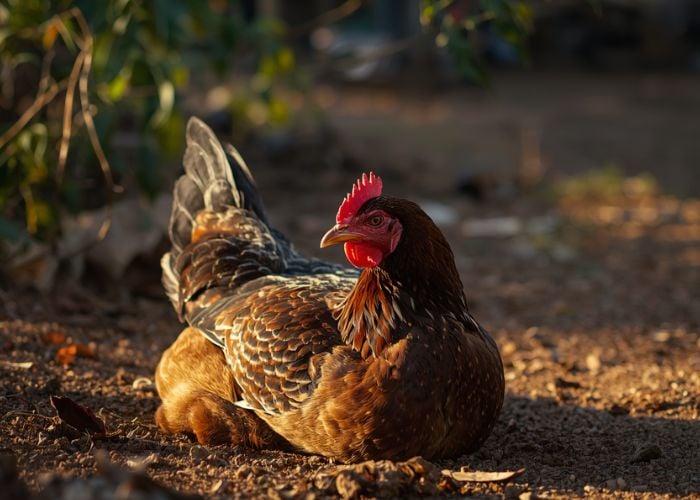
Move Chickens to Shade Immediately
One of the first steps in emergency summer heat care for chickens is to move overheated birds to a cooler area.
Good shaded areas include:
- Trees
- Covered runs
- Garages with airflow
- Covered patios
Shade lowers direct sun exposure and helps chickens cool down more safely.
Never leave overheated chickens in direct sunlight.

Provide Cool Fresh Water
Water is one of the most important parts of emergency summer heat care for chickens.
During hot weather:
- Refill water often
- Add extra waterers
- Place water in shaded spots
- Use cool—not freezing—water
You can also:
- Add ice cubes
- Use frozen water bottles beside waterers
Chickens drink much more during summer heat.

Offer Electrolytes During Heat Waves
Electrolytes can help chickens recover from dehydration.
Electrolytes support:
- Hydration
- Energy
- Recovery from heat stress
You can buy poultry electrolytes or make a simple homemade version.
Simple homemade electrolyte mix:
- 1 gallon of water
- 1 teaspoon baking soda
- 1 teaspoon salt
- 2 tablespoons sugar
Offer this for short periods during extreme heat.
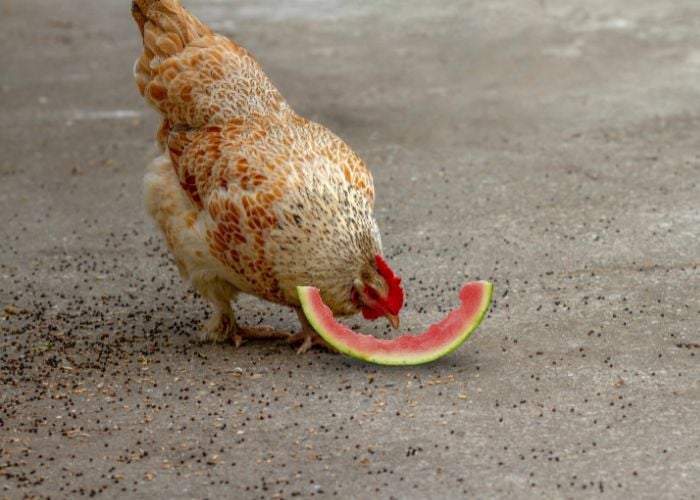
Use Frozen Treats to Cool Chickens
Frozen snacks can help naturally cool your flock.
Good frozen treats:
- Watermelon
- Frozen peas
- Frozen berries
- Chilled cucumber
These treats contain extra moisture and help lower body temperature.
Frozen snacks are a helpful part of emergency summer heat care for chickens during very hot afternoons.

Cool the Coop Safely
A hot coop can quickly become dangerous.
Ways to cool the coop:
- Open windows safely
- Improve airflow
- Use fans outside the coop
- Remove hot metal objects
- Add shade cloth
Never point strong fans directly at chickens for long periods.
Good ventilation is one of the best forms of emergency care for chickens in summer heat.
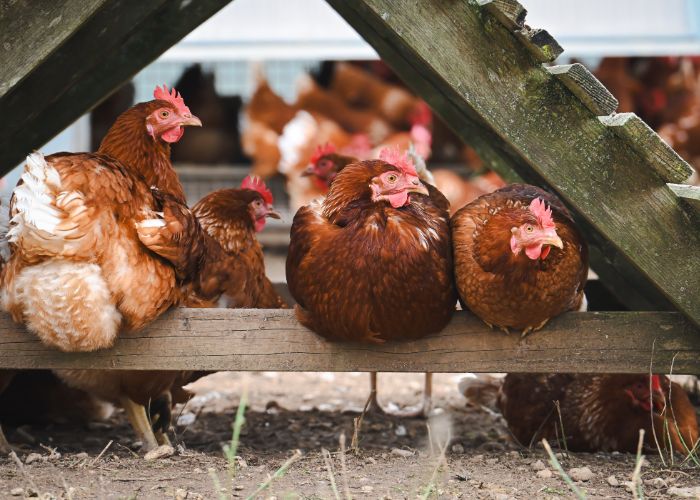
Avoid Overcrowding
Too many chickens in a small space create extra heat.
Overcrowding causes:
- Poor airflow
- Stress
- Faster overheating
Make sure chickens have enough room to:
- Spread out
- Rest comfortably
- Reach water easily
Crowded flocks struggle more during heat waves.
Mist the Ground, Not the Chickens
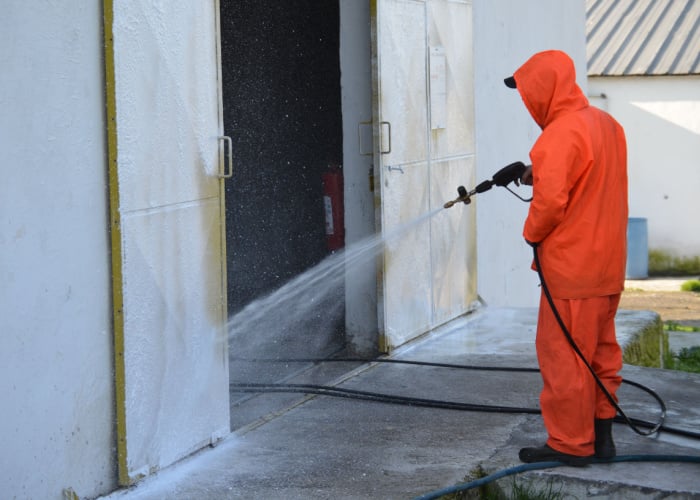
Some keepers lightly spray the ground around chickens to lower temperatures.
Helpful cooling ideas:
- Mist dirt lightly
- Wet shaded areas
- Cool dust bath spots
Avoid soaking chickens directly because wet feathers can trap heat and cause stress.
Safe cooling methods are important for emergency summer heat care for chickens.
Create Cool Dust Bath Areas
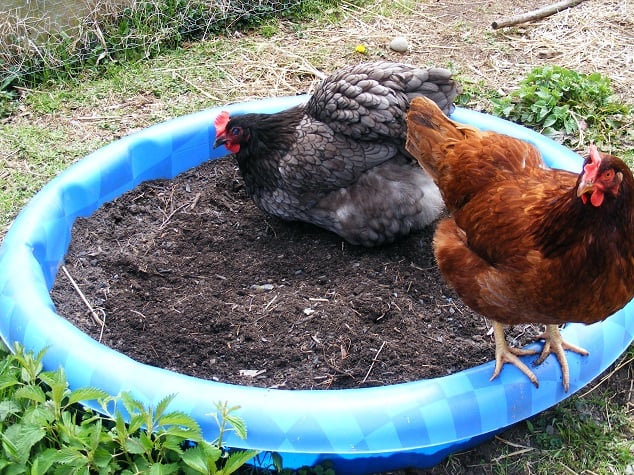
Dust baths help chickens stay comfortable.
You can improve dust baths by:
- Placing them in shade
- Using dry dirt or sand
- Keeping them cool and dry
Chickens naturally use dust baths to stay comfortable and clean.
Feed During Cooler Hours
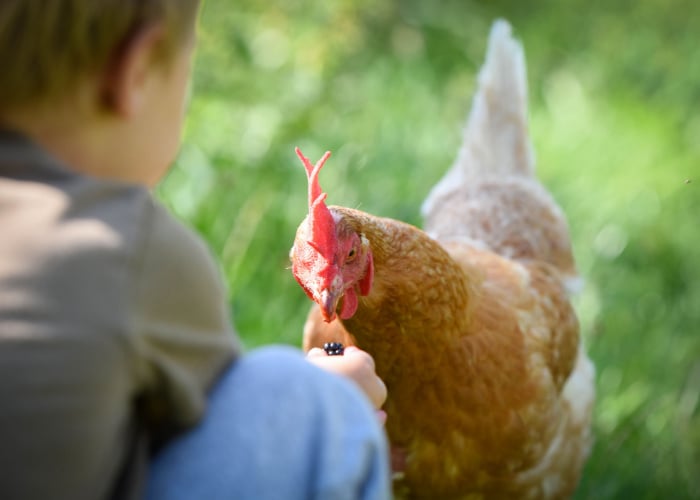
Chickens often eat less during hot weather.
Try feeding:
- Early morning
- Late evening
Avoid large meals during:
- Midday heat
- Afternoon heat waves
Digestion creates body heat, so lighter feeding during the hottest hours can help.
Watch Heavy and Feathered Breeds Closely
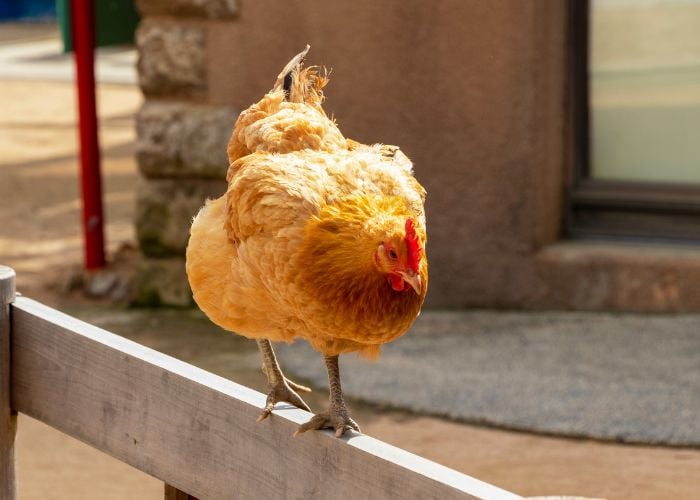
Some breeds struggle more in heat.
Heat-sensitive breeds include:
These breeds have:
- Thick feathers
- Larger bodies
- Lower heat tolerance
Extra monitoring is important during hot days.
How to Help a Severely Overheated Chicken
If a chicken collapses or becomes very weak:
- Move to shade immediately
- Offer cool water carefully
- Place feet in cool water
- Use damp towels nearby
- Stay calm and gentle
Do not use:
- Ice baths
- Extremely cold water
Cooling too quickly can shock the bird.
Severe cases may require a veterinarian.
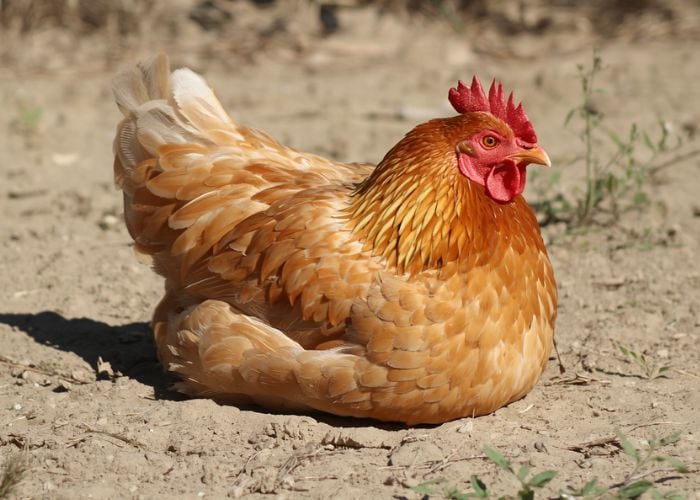
Prevent Heat Stress Before It Starts
Prevention is easier than treatment.
Good prevention steps:
- Plenty of shade
- Fresh water
- Good ventilation
- Frozen treats
- Less afternoon free-ranging
These simple habits support better emergency care for chickens during summer heat before problems happen.
Common Summer Heat Mistakes
Avoid these mistakes:
- Leaving chickens in full sun
- Empty waterers
- Poor ventilation
- Overcrowding
- Too many treats during heat
Even small mistakes can quickly become dangerous during summer.
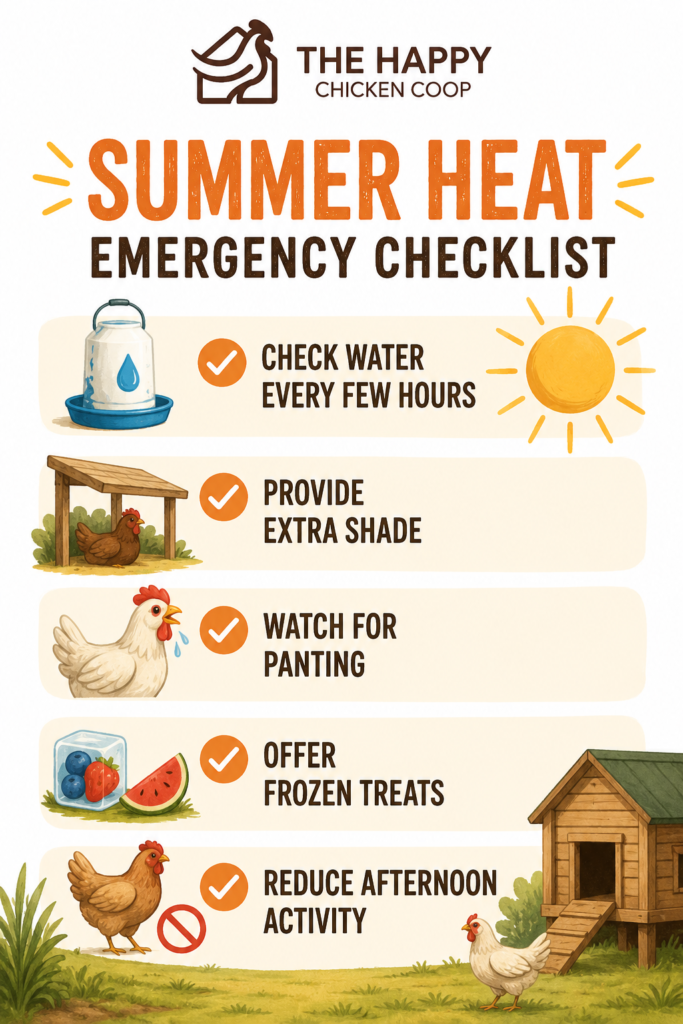
Simple Summer Heat Care Emergency Checklist
During heat waves:
- Check the water every few hours
- Provide extra shade
- Watch for panting
- Offer frozen treats
- Reduce afternoon activity
Keeping a checklist helps chicken keepers react faster.
Emergency Summer Heat Care for Chickens: Before You Go…
Hot weather can become dangerous very quickly for backyard chickens.
Learning proper emergency care for chickens in summer heat helps you protect your flock during extreme temperatures.
With fast action and careful monitoring, your chickens can stay safe, healthy, and comfortable all summer long.