
Have you ever wondered what the best temperature for chickens really is?
Chickens might look tough, but they feel the heat and cold just like we do.
Keeping them at the right temperature helps them stay healthy, lay eggs, and live happily in every season.
Whether it’s summer’s blazing heat or winter’s chilly nights, your flock needs some help to stay comfortable.
In this guide, we’ll explore what temperatures chickens love most, how to tell when they’re too hot or too cold, and what you can do to keep their coop cozy year-round.
The Best Temperature for Chickens: Why it Matters
Just like people, chickens can struggle when the weather changes too much.
Their bodies are covered in feathers that help them stay warm, but extreme heat or cold can cause stress and health problems.
Knowing the best temperature for chickens helps you avoid these issues and keeps your hens laying eggs steadily.
Here’s why temperature is so important:
- Chickens use energy to regulate their body heat.
- Too much heat can lead to dehydration or heatstroke.
- Too much cold can lead to frostbite and fewer eggs.
- Comfortable chickens eat better, sleep better, and live longer.
What Is the Best Temperature for Chickens?
Generally, the best temperature for chickens is between 70°F and 75°F (21°C–24°C).
This range keeps them comfortable without needing to use too much energy to warm up or cool down.
But chickens are surprisingly hardy! They can handle a wider range of temperatures if they’re healthy and well cared for.
Here’s a quick guide:
| Temperature (°F) | How Chickens React |
|---|---|
| 90°F and above | Danger zone – heat stress likely |
| 75°F – 85°F | Warm but tolerable |
| 65°F – 75°F | Ideal comfort zone |
| 45°F – 60°F | Still comfortable for most breeds |
| 32°F and below | Cold stress possible, need shelter |
Some breeds, like Orpingtons or Brahmas, handle cold better because of their thick feathers.
Lighter breeds, like Leghorns, do better in warmer weather.
Signs Your Chickens Are Too Hot
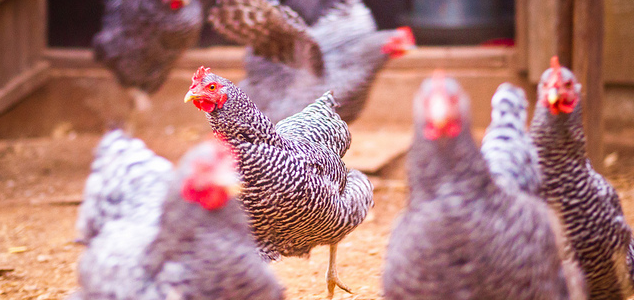
When the weather heats up, your flock can quickly get uncomfortable.
It’s essential to recognize the signs before they become dangerous.
- Panting or breathing with their beaks open
- Wings spread out to cool off
- Staying in the shade or lying on the ground
- Eating less or drinking more
- Fewer eggs or soft-shelled eggs
If temperatures rise above 90°F, your chickens are at serious risk of heat stress.
How to Help
- Provide plenty of cool, clean water.
- Add shade over the run or yard.
- Use fans or misters to cool the air.
- Freeze water bottles or make “ice treats” with fruits or veggies.
Keeping your flock cool during summer is key to maintaining the best temperature for chickens.

Signs Your Chickens Are Too Cold
Cold weather brings its own set of problems.
Chickens can handle cooler temperatures, but they still need protection from freezing winds and moisture.
- Fluffed-up feathers to trap heat
- Huddling together for warmth
- Comb or wattles turning pale or dark (frostbite warning)
- Less activity and fewer eggs
If temperatures drop below 32°F, your chickens will need extra care to stay warm.
How To Help
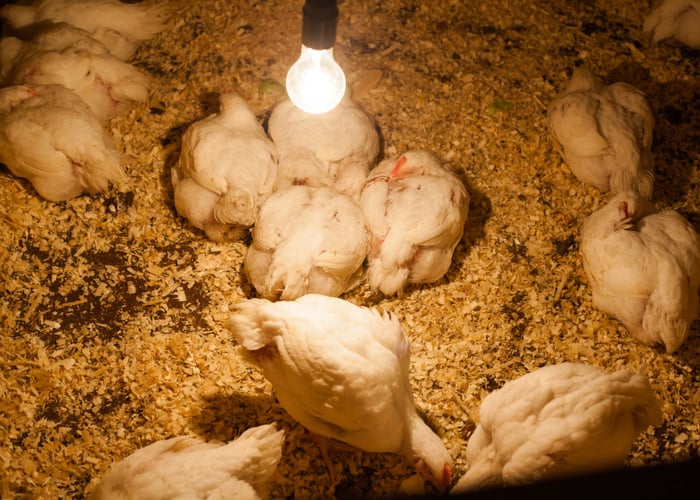
- Add straw or pine shavings to the coop floor for insulation.
- Ensure the coop is draft-free yet well-ventilated.
- Provide a heated water bowl to prevent the water from freezing.
- Offer extra feed (they burn more energy in the cold).
Even in winter, it’s possible to maintain the best temperature for chickens with just a few simple changes.
How to Regulate Coop Temperature in Every Season
Your coop is your chickens’ safe space, and keeping it comfortable year-round is the best way to ensure they thrive.
Here’s how to manage the best temperature for chickens in both hot and cold seasons.
Spring and Fall: Mild Weather Maintenance
These are the easiest seasons for your flock!
- Maintain good airflow by keeping windows or vents open.
- Check for leaks or drafts before winter hits.
- Clean the coop regularly to prevent dampness.
- Ensure that water remains fresh and clean.
Spring and fall temperatures often fall into the ideal range, so your job is to maintain balance.
Need more guidance in raising chickens during spring and fall? Check out our Spring Chicken Checklist and Fall Checklist for Backyard Chicken Keepers!
Summer: Beat the Heat
When summer temperatures rise, chickens can get stressed quickly.
To maintain the best temperature for chickens in summer:
- Add shade: Use tarps, trees, or umbrellas.
- Increase ventilation: Open all windows and vents.
- Keep water cool: Refill often and add ice cubes.
- Avoid overcrowding: Give each chicken space to move freely.
Additionally, feed them early in the morning or late in the evening when it’s cooler.
ALSO READ: Summer Chickens Care Guide: How To Keep Them Cool and Safe
Winter: Keep It Cozy
Cold months are tougher, especially for small or young chickens.
To maintain warmth and comfort:
- Insulate the coop: Use straw, wood shavings, or foam board.
- Avoid heaters: Excessive heat can make them dependent and increase fire risks.
- Use the deep litter method: A thick layer of bedding helps retain warmth.
- Block drafts: Seal cracks but keep upper vents open for airflow.
A clean, dry coop makes a significant difference in maintaining the optimal temperature for chickens throughout winter.
ALSO READ: The Definitive Guide To Keeping Chickens In Winter
Chick Temperature for Chicks and Pullets
Baby chicks are more sensitive to temperature than adult chickens.
Ideal Brooder Temperatures:
| Age (Weeks) | Temperature (°F) |
|---|---|
| 1 | 95°F |
| 2 | 90°F |
| 3 | 85°F |
| 4 | 80°F |
| 5 | 75°F |
| 6 | 70°F (ready for outdoor temps) |
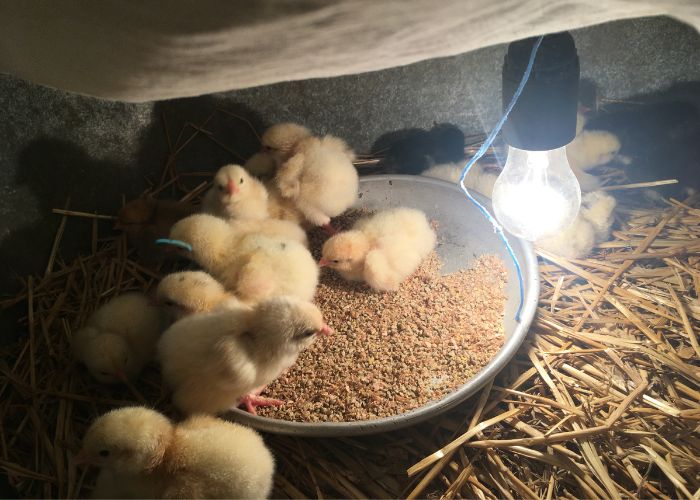
Keep a heat lamp or brooder plate handy and lower the temperature by 5°F each week.
If chicks huddle under the lamp, they’re too cold. If they scatter to the edges, they’re too hot.
Keep adjusting until they’re evenly spread out. That means you’ve found the best temperature for chickens at their age.
Humidity and Airflow: The Secret to Comfort
Temperature isn’t the only factor that affects chicken comfort. Humidity and ventilation play a big role, too!
Effects of Too Much Humidity
- Damp bedding
- Frostbite in winter
- Respiratory issues
What To Do
- Open vents near the roof for rising moisture.
- Avoid sealing the coop too tightly.
- Replace wet bedding right away.
Good airflow helps balance the best temperature for chickens by keeping the coop dry and odor-free.
Breed Differences in Temperature Tolerance
Not all chickens are built the same!
Some breeds thrive in cold climates, while others prefer warmer ones.
Cold-Hardy Breeds
ALSO READ: 7 Chicken Breeds That Do Well in Cold Climates
Heat-Tolerant Breeds
- Leghorn
- Ancona
- Andalusian
- Fayoumi
ALSO READ: The Best Chicken Breeds for Hot Weather
Knowing your breed helps you prepare better for the seasons and maintain the best temperature for chickens based on their natural strengths.
Tools to Help Monitor the Best Temperature for Chickens
To keep your coop environment just right, it helps to use a few simple tools.
Useful items include:
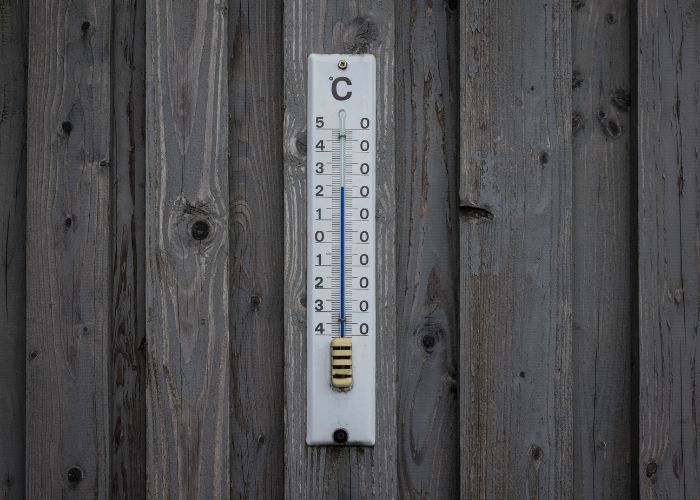
- Thermometer: Place one at chicken level inside the coop.
- Hygrometer: Measures humidity levels.
- Smart sensors: Track temperature changes remotely.
- Insulation materials: Foam boards or reflective wraps to stabilize temperatures.
These tools make it easy to adjust conditions and maintain the best temperature for chickens without guesswork.
The Best Temperature for Chickens: Before You Go…
Understanding the optimal temperature for chickens is crucial to raising a healthy and happy flock.
While chickens are adaptable, extreme temperatures can take a toll on their well-being.
By providing proper shelter, ventilation, and care for each season, you’ll ensure your hens stay productive and content all year long.
With a little attention and care, your chickens will stay cozy in winter, cool in summer, and perfectly happy in between!